The Dawn of the SoundScan Era
How does the music industry truly measure pop dominance when the numbers themselves keep changing?
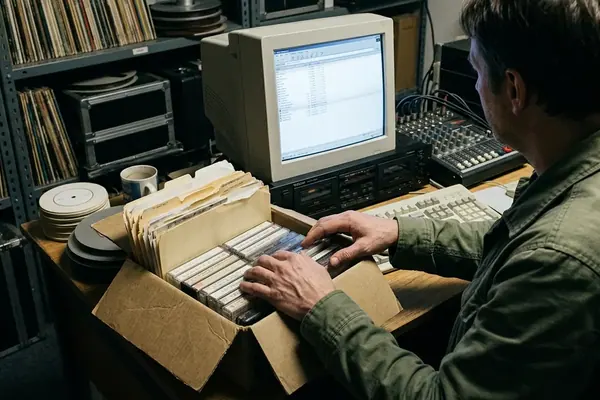
In March 1991, the music industry experienced a seismic shift with the introduction of the SoundScan tracking system. Barcode-scanning technology at retail checkout counters began logging physical cassette and CD purchases in real time. This transition from estimated retail reporting to point-of-sale tracking coincided perfectly with Mariah Carey's early career, providing a verifiable ledger of her commercial ascent.
Criteria for Charting the Data
The methodology separates SoundScan over-the-counter US retail data from RIAA and BPI certifications based on label shipments. Historical sales reports from Sony Music and Island Def Jam rely on Release to Date shipment figures, which differ from point-of-sale data. International market classifications such as Non-Dutch/Non-Swiss/Non-Taiwanese categorize foreign artist performance on worldwide album charts.
RIAA Certification standards clarify these distinctions without blending wholesale and retail counts.
1. The 1994 Global Peak and Music Box Dominance
The 1993 studio album Music Box launched an unprecedented international chart period from March to November 1994. Its peak UK sales year arrived in 1994. Music Box reached nearly 23.5 million worldwide sales by 1995 and achieved Platinum status in roughly 32 countries. Physical CD shipments hit multi-platinum thresholds across those territories during the same window.
2. The Hidden Volume of 1990s Record Clubs
Record club dominance defined the 1990s through Columbia House and BMG. Millions of albums distributed through these clubs contributed to RIAA shipment certifications yet stayed entirely outside SoundScan retail tracking. This dual-system reporting shapes any historical analysis of Carey's total US volume during her Columbia Records tenure. Relying solely on retail barcode scans during the 1990s fails to capture millions of units moved through mail-order subscription services.
3. The 100 Million Milestone and Late-90s Evolution
The 1995 release of Daydream and the 1997 release of Butterfly trace the transition. Carey's sound evolved alongside her sales. Global wholesale shipment ledgers and publishing royalty logs confirm the 100-million-unit threshold by the end of 1999. BMI Pop Awards and ASCAP recognition arrived for her songwriting and publishing across that prolific decade.
4. The Emancipation of Mimi and the 2005 Resurgence
The April 5, 2005 release of The Emancipation of Mimi under Island Def Jam marked the next chapter. SoundScan reporting through December 31, 2006 captured the album's performance. Digital audio file downloads and physical CD retail scans combined into a unified year-end commercial performance ledger.

5. Radio Airplay and Billboard Methodology
Billboard chart data from 1990 to 2010 integrated airplay metrics. The Mediabase airplay panel shaped the Hot 100 Airplay, Mainstream Top 40, and Rhythmic Top 40 charts. Carey's dominance across both pop and urban-leaning radio formats fueled sustained album sales. Weekly broadcast spins across mainstream and rhythmic panels were measured through electronic monitoring systems.
The 1994 Rockefeller Center Award
In late 1994, industry executives gathered at Rockefeller Center for the awards presentation. Carey stood on the stage as the commemorative plaque was handed over, its inscription listing the exact global shipment figures that totaled 55 million records. The moment fixed the abstract sales data into one tangible career point, the plaque itself resting in view of the assembled executives and press.