Mariah Carey began songwriting at age 13. That single fact changes the whole frame of her early years: before the major-label deal, before the vocal mythology, before the holiday empire, there was a Long Island teenager building songs with the seriousness of someone who already knew the room she wanted to enter.
The question is not whether Carey had the voice. The better question is how a young recording artist with no inherited industry access learned to move through a late-1980s music business that still ran on cassette tapes, private rooms, and the right person carrying the right object at the right time.
What's Inside
- The 13-Year-Old Architect of Pop
- The Demo Tape That Changed Music History
- Defining the Sound: Pop-Gospel to Jazz-Torch
- Commercial Peaks and Industry Friction
- A Legacy Beyond the Charts
The 13-Year-Old Architect of Pop
Long Island, before the mythology hardened
Carey's origin story often gets flattened into one easy line: impossible voice discovered by powerful executive. That misses the workbench.
On Long Island, she was not waiting around for a fairy-tale entrance. She was writing, recording, revising, and looking for collaborators who could help turn instinct into structure. Local studio logs place her early songwriting development across sessions from roughly 1983 to mid-1986, a stretch that matters because it shows repetition rather than accident. The songs did not simply appear fully formed. They came through evenings, fragments, cassette takes, and the kind of adolescent focus that can look quiet from the outside.
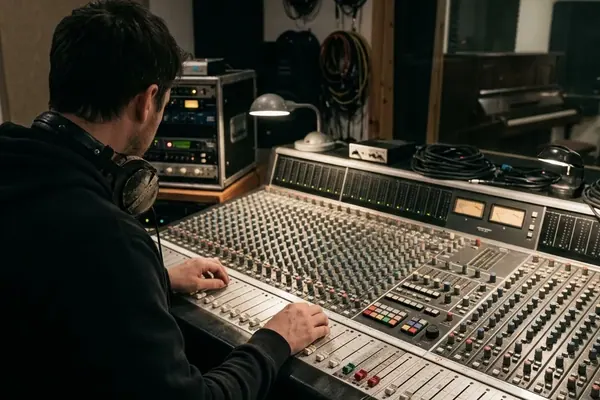
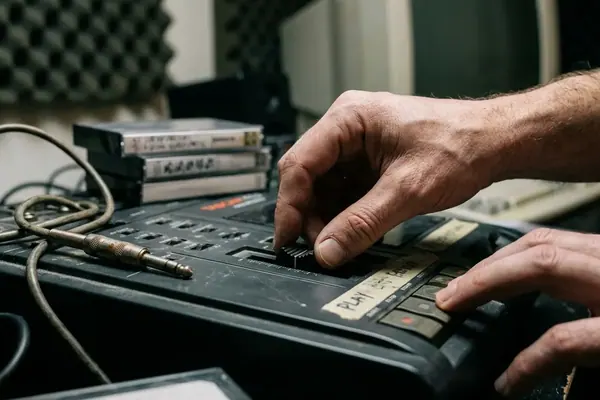
Ben Margulies became the first major songwriting collaborator in that foundation period. Their partnership gave Carey a practical lane: melodies could be captured, arrangements could be tested, and ideas could move from notebook to recording. Four-track cassette recordings from a makeshift basement studio are not glamorous artifacts, but they explain a lot. They show a young writer learning what a chorus could carry, how a vocal run could answer a lyric, and when restraint made a song stronger.
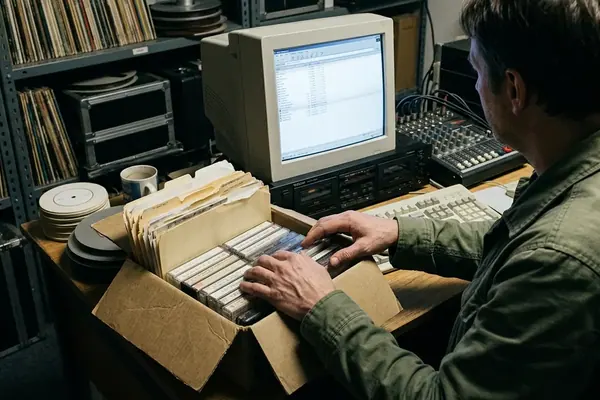
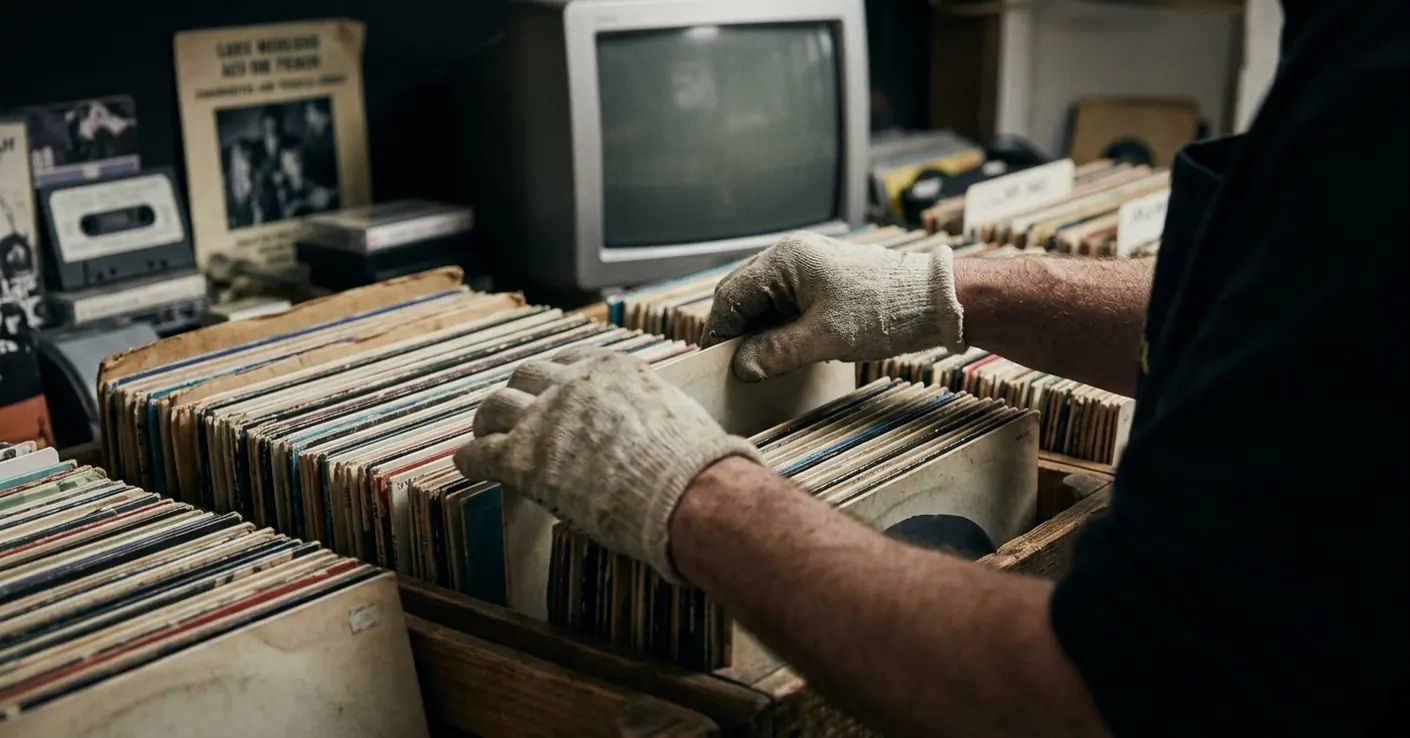
Field Note: Assuming early career trajectories rely only on vocal talent ignores the physical media distribution networks of the late 1980s. A song still had to be recorded, duplicated, handed off, and heard by someone with power.
The teen architect, not the lucky passenger
That is the point worth holding onto. Carey was not just a singer auditioning for approval; she was already thinking like a builder.
The basement setup forced decisions. Limited tracks meant no endless hiding place. A lead vocal, a harmony stack, a keyboard line, a drum pattern: every choice had to earn space. That constraint probably sharpened the signature that later felt effortless on radio. Big notes mattered, yes, but so did the architecture around them.
By the time the industry heard the tape, Carey had already spent years rehearsing the larger idea: a pop song could carry gospel intensity, R& B phrasing, and high-gloss melody without apologizing for any of it.
The Demo Tape That Changed Music History
A physical cassette in the right room
The demo tape story still plays like a scene from a movie because it has the clean mechanics of one: Brenda K. Starr handed Carey's tape to CBS Records President Tommy Mottola during a private industry gala.
But framing that moment as pure luck makes the story smaller. Starr's handoff worked because it joined mentorship, timing, and physical distribution. The object mattered. A four-song cassette could travel in a purse, sit in a car stereo, and demand attention without needing a scheduled meeting or a polished press campaign.
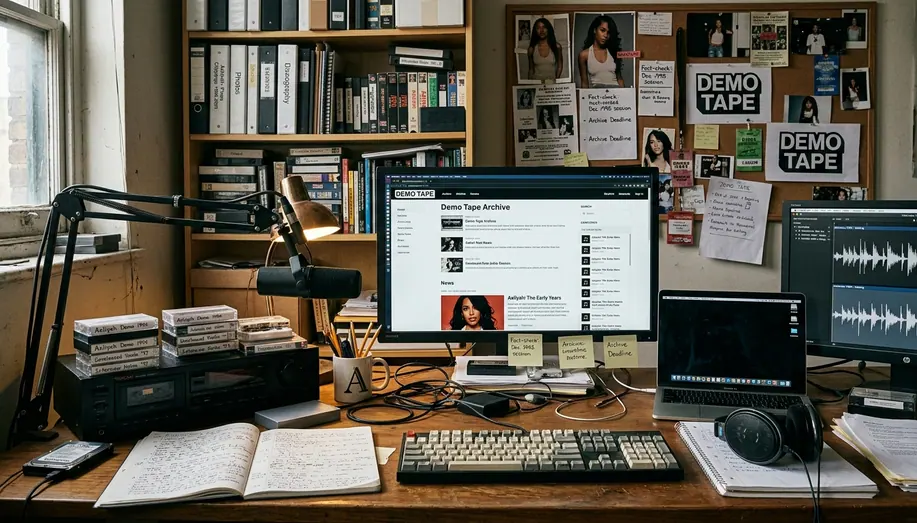
That cassette opened the door to contract negotiations that were finalized around late 1988 into early 1989. The timeline is tight, which tells its own story. Once the right ears heard the material, the machinery moved quickly.
From backup singer to priority artist
Carey had been singing backup for Starr, which gave her a close view of professional rooms without placing her at the center of them. Then the tape changed her position in the room.
CBS Records did not just sign a voice. It signed a writer and interpreter whose demos already suggested a format: emotional pop with gospel reach, studio discipline, and a vocal identity that could not be swapped out for another singer. As CBS became part of Sony Music Entertainment's larger ecosystem, Carey moved from unknown backup singer to priority artist with unusual speed.
There is a lesson in the handoff. The industry often rewards polish, but it also rewards preparedness when opportunity arrives abruptly. Carey had the songs ready before the room opened.
Important: The famous demo moment was dramatic, but the cassette only mattered because years of writing and recording had already made it worth playing.
Defining the Sound: Pop-Gospel to Jazz-Torch
The debut arrives with a thesis
When Mariah Carey released her self-titled debut album in 1990, the project did more than introduce a new recording artist. It made an argument about what mainstream pop could absorb at the start of the decade.
“Vision of Love” was the first major statement. The single placed melisma, church-rooted release, and adult-contemporary polish inside one radio-ready frame. It did not sound like a novelty vocal showcase. It sounded like a singer bending the format toward herself.
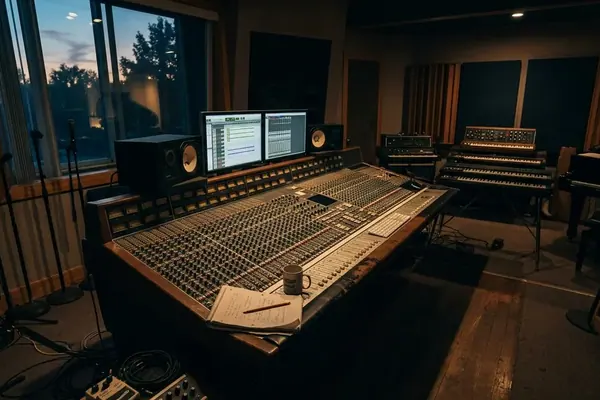
Vocal tracking sessions for the debut project ran over roughly two weeks in early 1990, and that concentrated studio window helps explain the album's coherence. The voice sits at the center, but the arrangements leave enough air around it. Carey could rise into whistle tones and then return to conversational warmth without the production turning the song into a stunt.
Why pop-gospel landed differently
The effectiveness of a pop-gospel crossover strategy depended heavily on early-1990s radio formatting and genre boundaries. Major broadcasting networks did not treat pop, R& B, gospel, and adult contemporary as one open field. Carey moved through those borders with material that felt emotional enough for ballad listeners, polished enough for pop programmers, and vocally rich enough for audiences raised on church and soul traditions.
That is why “Vision of Love” traveled. It gave different listeners different entry points.
- Pop audiences heard a new star with a towering chorus.
- R& B listeners heard phrasing with elasticity and blues-informed patience.
- Gospel-trained ears heard release, breath, and testimony inside a secular frame.
- Radio programmers heard a song that could sit beside the era's ballads without sounding anonymous.
The move toward sparse drama
By 1991's Emotions, Carey had reason to double down on spectacle. Instead, parts of the sophomore project pushed toward a more sparsely produced aesthetic, especially where jazz-torch textures entered the frame.
Musicologists who reviewed the vocal stems from the early projects mapped that shift from pop-gospel architecture into quieter, more exposed arrangements. The closing track's integration of a five-piece live jazz ensemble shows the point neatly. Carey did not abandon scale; she learned how to create tension without always filling the room.
Because much of this era survives through studio paperwork, cassette-era accounts, and later archival reconstruction, exact creative sequences can blur at the edges. The musical direction, however, is clear: Carey wanted range in the fullest sense, not just range measured by notes.
Commercial Peaks and Industry Friction
Music Box and the sound of domination
The 1993 release of Music Box marked a commercial surge that pushed Carey from rising star into global fixture. The album polished the ballad form until it gleamed, and radio responded with the kind of sustained embrace that turns songs into public memory.
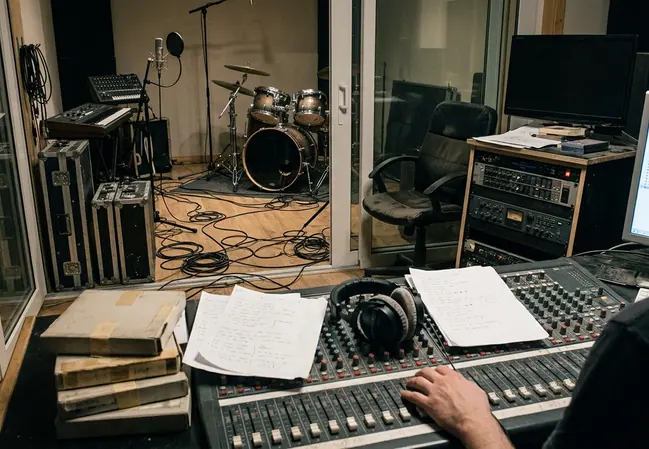
Chart dominance spanning 1993 through 1995 gave the era its scale. Carey was not simply present on the charts; she became part of the atmosphere of the decade. Her voice came through malls, cars, school dances, televised specials, and quiet rooms where listeners treated ballads like private weather.
One catch: analyzing historical chart dominance requires adjusting for the physical-to-digital sales transition, because raw unit comparisons against modern streaming metrics can distort how enormous that moment felt in real time.
The Grammy night that sharpened the conflict
Then came the public bruise. At the major annual music industry award ceremony in early 1996, Carey received six nominations and left with zero wins.
The snub mattered because it exposed a split that had been building around her. Commercially, she was undeniable. Critically, parts of the industry still struggled to place a young woman who sang with technical force, wrote hits, and worked inside glossy pop machinery. The very smoothness of the product made some listeners underestimate the labor inside it.
That night did not end the era. It clarified the pressure.
Bottom Line: The mid-1990s conflict was not popularity versus artistry. It was a fight over who got to define artistry when mass audiences had already made their choice.
The road toward Butterfly
The creative and personal emancipation that culminated in 1997's Butterfly did not arrive out of nowhere. It followed years of industry framing, label expectations, and a marriage to Mottola that had become inseparable from the public reading of her career.
Butterfly would later stand as the turning point: more hip-hop proximity, more visible authorship, more adult self-possession. It also coincided with her divorce from Mottola, which made the album feel less like a standard reinvention and more like a door being kicked open from the inside.
That arc is why her early years still matter. The Long Island songwriter, the cassette strategist, the pop-gospel innovator, and the chart-dominant balladeer all had to exist before Butterfly could feel like liberation.
A Legacy Beyond the Charts
Philanthropy with roots, not decoration
Carey's legacy is often measured through records, chart streaks, and later career landmarks such as The Emancipation of Mimi. Those measures matter. They just do not hold the whole story.
Her philanthropic work, particularly around youth and adoption, grew into a durable part of her public life. During the late-1990s and early-2000s period, researchers tracing financial disclosure reports and philanthropic press releases found royalty diversions executed around 1999 through early 2001, with funding allocated to international orphanages and domestic adoptive centers.
That detail gives the work a concrete shape. It was not only a celebrity appearance here and a benefit performance there. It connected music revenue to institutions serving children.
The youth programs that stayed in view
Carey's partnerships with the Fresh Air Fund sit within that longer youth-focused pattern, especially as her public platform expanded beyond album cycles. Her hosting of the annual CBS adoption program A Home for the Holidays also placed adoption stories before a national television audience year after year, using holiday programming for something more direct than nostalgia.
She also visited the Frank Gonzalez orphanage in Mexico, a detail that belongs in the same timeline as the awards, albums, and tours. Fan culture tends to preserve glamorous images first: gowns, microphones, platinum hair, arena lights. The archival timeline gets stronger when it holds the quieter visits too.
The early years keep echoing
Long before M by Mariah Carey extended her name into fragrance counters, Carey's career had already shown a pattern: build the song, move the tape, control the sound, survive the institution, widen the circle.
That is the real arc from Long Island to superstardom. It is not a miracle story. It is a working story, and the evidence starts with a teenager writing songs before the industry knew to look for her.
The sharpest proof may be the least glamorous: around 1999 through early 2001, royalties from the music were directed toward international orphanages and domestic adoptive centers.