Defining the Charmbracelet Era on Stage
What happens when a global superstar strips away the stadium spectacle to let the fans dictate the show?
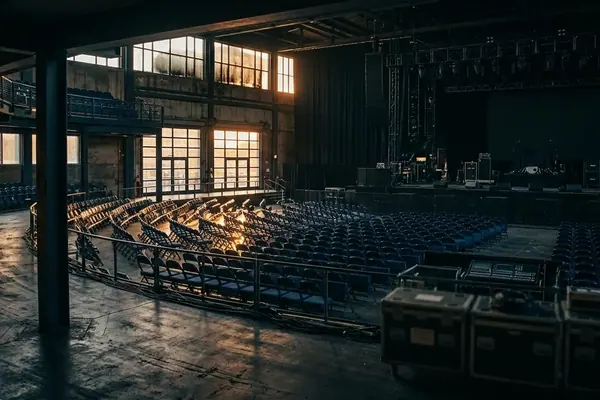
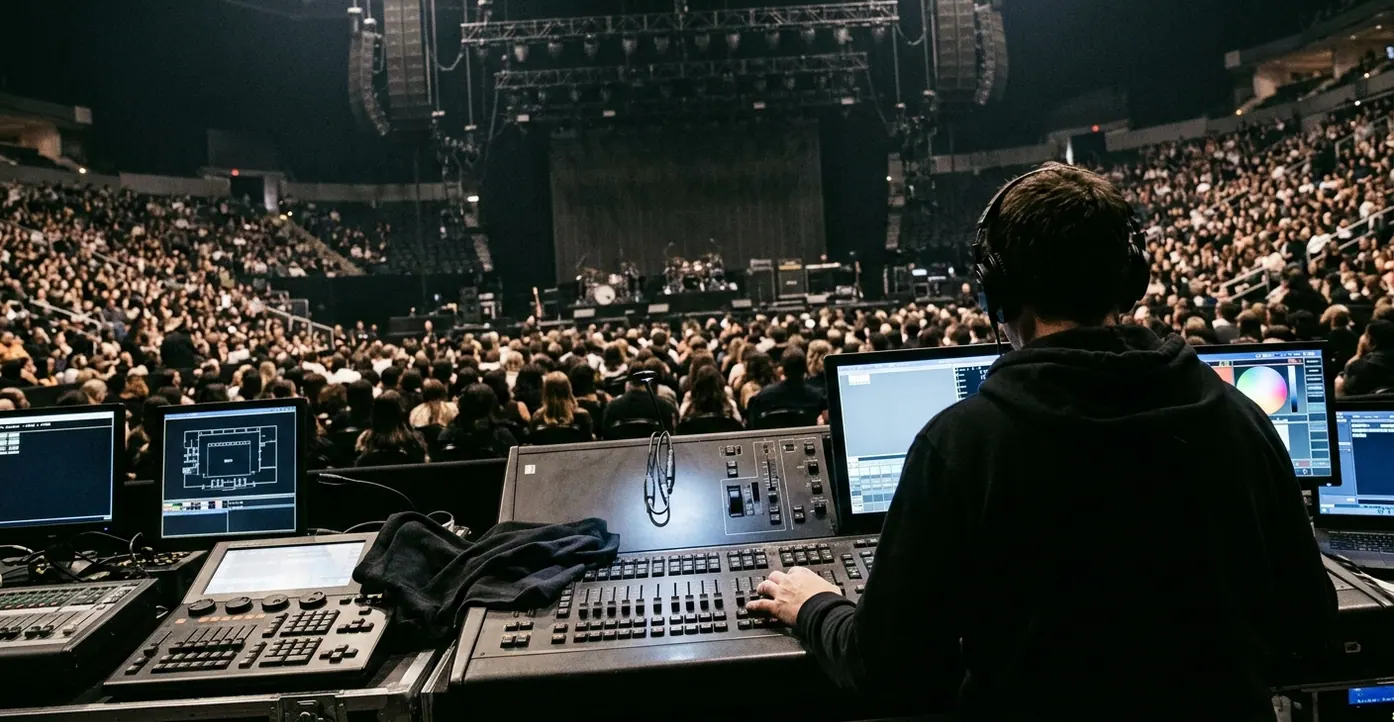
The Charmbracelet World Tour was Mariah Carey’s 2003-2004 global concert series, serving as the live companion to her Charmbracelet album and marking a distinct shift toward intimate, fan-centric performances. The production team decided to strip away the heavy pyrotechnics and massive hydraulic lifts typical of late-90s pop spectacles, opting instead for a scaled-down stage design that brought the barricade closer to the artist. Stage blueprints reduced the standard runway length from around 50 feet to roughly 15 feet to force closer proximity to the front rows. The initial planning phase spanned from late January 2003 through mid-April 2003. This return to extensive international touring placed the recording artist back on the road after a period of scaled-back commitments.
A Global Itinerary: From Seoul to Dubai
The global routing commenced on June 21, 2003, and concluded on February 26, 2004. Tour coordinators had to rapidly restructure the Asian leg of the itinerary, shifting logistical resources and crew flights away from affected regions while negotiating new venue contracts in the Middle East. Six scheduled arena dates in Southeast Asia were completely removed from the routing manifest during the first week of May 2003 due to regional health advisories. These cancellations were a direct result of the SARS outbreak.
Empowering the Audience: Fan-Voted Setlists
Management implemented a digital polling system on the official fan portal, aggregating daily vote tallies to dictate the middle acoustic section of the nightly setlist, ensuring the core opening and closing remained fixed. The digital voting portal remained open for submissions between May 15, 2003, and June 10, 2003. The setlist structure mandated that the opening track and the closing outro were locked, leaving exactly four mid-show slots open for audience selection. One catch: implementing a nightly rotating setlist requires the backing band to rehearse and master at least 40 distinct tracks prior to the first dress rehearsal. The show opened with the introspective “Looking In (Intro)” and closed with the symbolic “Butterfly (Outro)”.
Behind the Scenes: Management and Brand Tie-Ins
The executive team integrated a major fragrance launch directly into the promotional footprint, aligning backstage VIP experiences with product sampling booths rather than traditional merchandise tables. VIP ticket packages included a 50ml sample of the newly launched signature perfume. Contract negotiations for the fragrance integration took place between October 12, 2002, and November 18, 2002. Former manager Louise McNally oversaw the day-to-day coordination that kept the 2003/2004 run on schedule.
Live Reviews: Vocal Triumphs and Intimate Staging
Music journalists shifted their review criteria from evaluating visual spectacle to scrutinizing vocal agility, focusing their column inches on the artist’s ability to execute complex melismas without the safety net of elaborate production. Nightly reviews consistently highlighted the 15-minute acoustic segment as the vocal peak of the two-hour performance. Press passes were strictly limited to around a dozen accredited journalists per major metropolitan market. The stripped-back approach revealed a performer comfortable adapting when external conditions changed.
The Lasting Legacy of the Charmbracelet Tour
Archival curators and live music historians now categorize this specific global run as the definitive turning point where legacy pop acts began prioritizing fan-curated intimacy over sheer scale to sustain long-term careers. The stripped-down production model reduced nightly overhead costs by a documented margin, allowing the production to remain profitable across 69 global dates. The transition from stadium-scale to theater-scale touring became a widely adopted industry standard between 2005 and 2010. To grasp how legacy artists reinvent themselves, look no further than that 15-foot runway and the four fan-voted slots each night: the Charmbracelet World Tour handed the audience the steering wheel, and the model of trading stadium spectacle for personal, fan-curated intimacy is exactly what dozens of veteran acts would copy in the years that followed.