The Global Stakes of the Daydream Tour
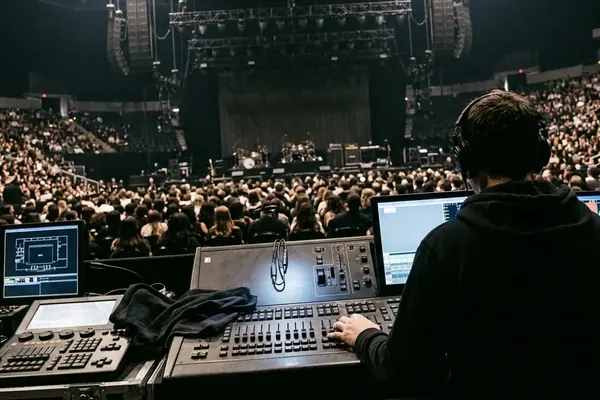
Failing to study the Tokyo Dome concerts means missing the exact moment a studio perfectionist transformed into a global stadium icon. The immense pressure of transitioning from controlled acoustic environments to a massive, echoing dome shaped every choice. How the 1996 shows set the benchmark for international pop dominance still echoes in setlist design today.
Selling Out Japan's Biggest Stage
The unprecedented demand for the Daydream World Tour in the Japanese market forced promoters into rapid decisions. Moving more than 150,000 physical paper tickets across three consecutive nights required tight coordination. A concentrated 72-hour ticketing window in early 1996 built tension before the curtain drop. The sheer scale of the venue and the expectations of the international press created an atmosphere few acts had faced.
Vocal Acrobatics Under Pressure
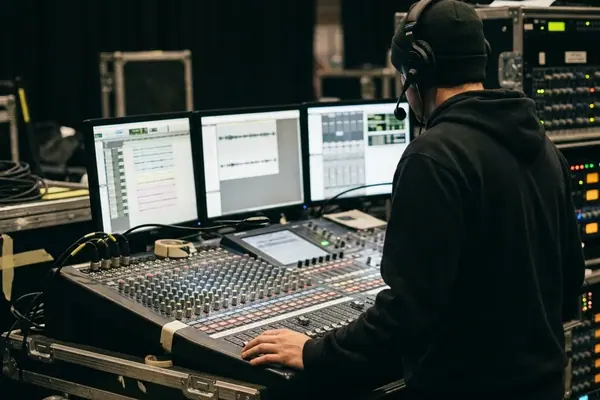
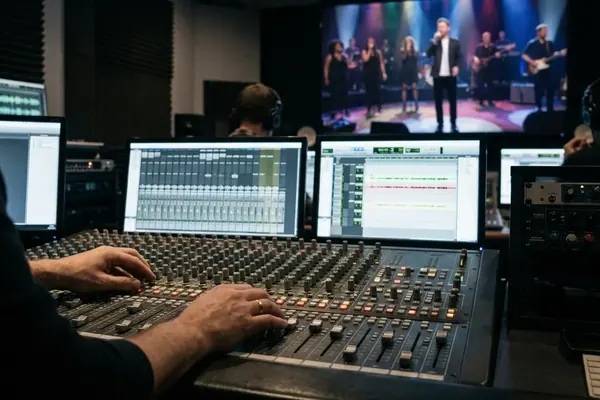
Live arrangements of complex studio tracks like 'Emotions' and 'Fantasy' demanded precise adjustments. Sustaining a G7 note for roughly 11 seconds during the climax of the opening number despite the high-humidity stadium environment tested every limit. The grueling 85-minute performance requiring continuous heavy belting left little room for recovery. One catch: analyzing these historical vocal feeds accurately requires access to the uncompressed soundboard matrices, as the syndicated television broadcast heavily compressed the dynamic range of the upper registers.
The Butterfly Return in 1998
The evolution of Carey's stage presence from the Daydream era to the Butterfly World Tour brought heavier R& B influences and intricate choreography into the Tokyo Dome setlist. Incorporating 14 distinct stage mark transitions per song to accommodate the expanded dance troupe changed the visual language. The four-night residency in January 1998 solidified her enduring relationship with her Japanese fanbase through direct engagement with new material.
The Enduring Legacy of the Tokyo Tapes
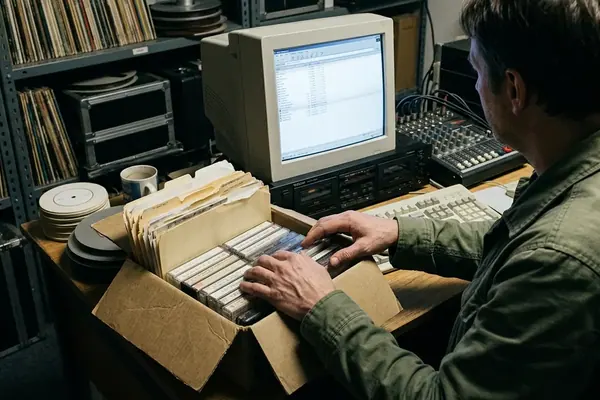
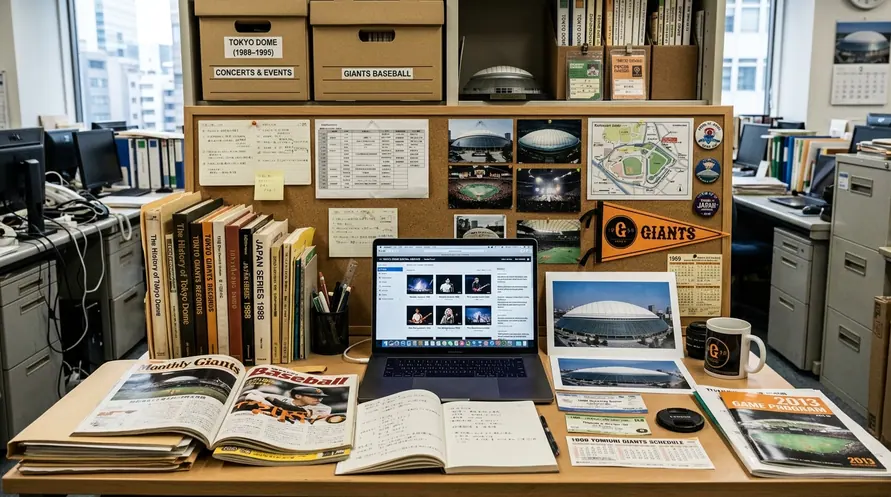
The lasting influence of these performances on modern pop and R& B touring acts appears in how acts now balance vocal exposure against production layers. The archival importance of the Tokyo Dome footage for music historians rests on the recent digitizing of 4K visual scans and 24-bit/96kHz audio stems from the original analog stadium tapes. The archival restoration project, carried out over several months across 2022 and 2023, preserved details that syndicated mixes once flattened. Would you trade the immediacy of those unfiltered 1990s vocal marathons for the layered safety nets common in stadium shows today?