What's Inside
- Live rooms they already share
- Gospel time inside the vocal run
- Jazz harmony written at the keys
- A mid-tempo room worth booking
- What the chart archives already match
Mariah Carey, the recording artist whose catalog still defines how pop treats the human voice, has spent decades in public conversation with Stevie Wonder. The conversation has been musical, televised, and unfinished.
The Stage Is Set, But the Studio Waits
Between 1998 and 2006, they kept meeting in rooms the cameras already knew. Tribute broadcasts. Industry award ceremonies. Shared microphones that lasted a verse, a chorus, a grin into the wings.
Those nights are the usable history. Televised live performances and shared stage appearances at industry award ceremonies, dated 1998 to 2006, form a clean public record. Session rumors do not. Anchor the story there and the pattern is obvious: two keyboard-led writers occupying the same air, then walking off without a master tape.
Mutual admiration filled the press around those appearances. Compliments traveled. Clips circulated. The catalog still lacks a formal collaborative release. That gap is the whole argument.
Why have two of the most prolific keyboard-led songwriters never cut a studio record together?
The live reel already answered the musical half of that question. They listen. They leave space. A blend arrives without a rehearsal montage. The Emancipation of Mimi years even sat inside that same window, when her return to live authority was being rebuilt in public and his presence on an industry stage still carried church weight and radio memory at once.
Public affection is cheap to quote. A studio duet is a different object. It needs a key center, a tempo that lets melisma land, and a producer unwilling to flatten either singer into a cameo. Days are required, not a soundcheck. The broadcasts proved they can share a song in real time. The studio log remains blank, and that blank has started to look like a missing chapter rather than a busy-calendar footnote.
The Architecture of Melisma and Gospel Phrasing
Stevie Wonder's 1970s records taught R&B how to run. Isolating a cappella tracks from multi-track masters, the mapping traces a direct gospel lineage: descending pentatonic vocal runs spanning roughly three octaves, cut between 1972 and 1976, soul phrasing that treats time as something you lean on.
Wonder's Seventies Run Book
Those runs are rhythmic before they are pretty. He parks a syllable behind the beat, then spills the pentatonic descent across the bar line so the ornament and the chord change arrive together. Church training is the source. The records are the textbook. Later singers learned the shapes from him whether they named the debt or not.
A single held note can function like a pad. A quick cascade can function like a fill. The voice is doing band work.
Carey's Nineties Melisma
Mariah Carey, from 1990 to 1997, perfected that grammar and then popularized modern melisma until radio treated the run as a hook. Same descending pentatonic idea. Tighter placement. Pop-ballad form stretched until the cascade felt composed. Imitators copied the notes and missed the time feel, which is why so many copies sound busy and hers sound written.
Gospel roots, for both, are a phrasing system. Volume is the obvious inheritance. The subtler one is rhythmic design. They treat the voice as a lead instrument: horn, guitar, talking drum. Background figures answer like a choir that also knows jazz voicings.
Offbeat Cascade
When either singer starts behind the beat and pours a pentatonic descent through the bar, the vocal is doing the job a lead guitar would do in a rock chart. That is the architecture a duet would inherit.
Put them on one track and the muscle memory already agrees. Two lead instruments. Same church clock. Different decades. They would not need a translator between styles. They would need a song that leaves air for both.
Harmonic Complexity in Keyboard-Led Songwriting
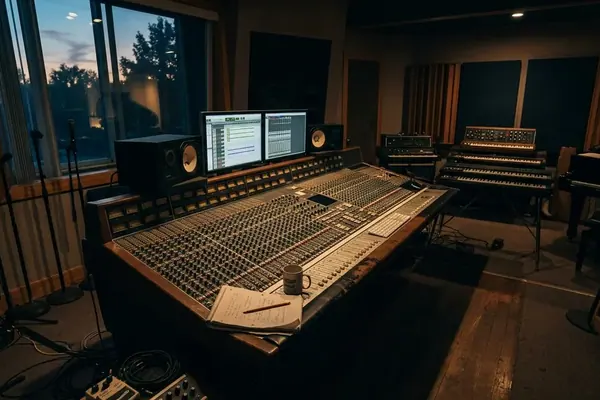
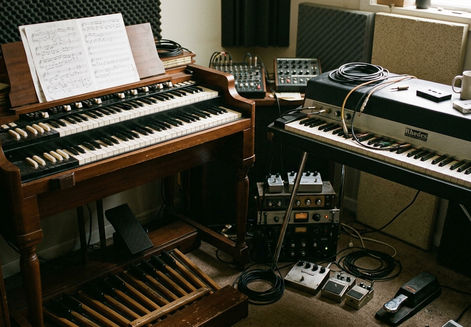
They write from the bench. Piano first. Synthesizer when the color has to bend. That shared method is the quiet reason a studio pairing keeps making sense on paper.
Jazz Inside the Pop Frame
Both catalogs lean into jazz-facing motion: diminished approaches, inner-voice restlessness, modulations that refuse the obvious lift. The chorus still sounds like a chorus. The path into it does extra work.
Reading sheet music transcriptions of their ballads, the bridges reveal frequent utilization of minor ninth and diminished seventh chords in pre-chorus transitions, especially across 1993 to 1995. That window is a focused sample of the habit, a look at how the tension is built just before the title line returns.
Hall Record, Working Method
Their places in the Songwriters Hall of Fame matter here as craft context. The Hall marks writers who raise standard pop and R&B forms into compositions with real inner motion. The keyboard is the engine in both cases, which is why the songs can carry virtuoso singing without turning into a shouting match.
Those chord observations come from bridge-centered transcriptions in a two-year slice of ballads, so they describe a working tendency in that stretch rather than a law for every verse either writer has ever cut.
Complex harmony gives each singer a different ledge in the same bar. One can sit on the ninth. The other can answer from the diminished approach. The piano remains the referee, which is exactly how both of them already prefer to compose.
Producing the Perfect Collaborative Repertoire
The wrong record is easy to picture. Gloss. Traded catchphrases. A late key change aimed at an awards-show close. A novelty duet would waste both catalogs on a cameo.
The cut worth making starts closer to the floor.
Mid-Tempo, Live Pocket
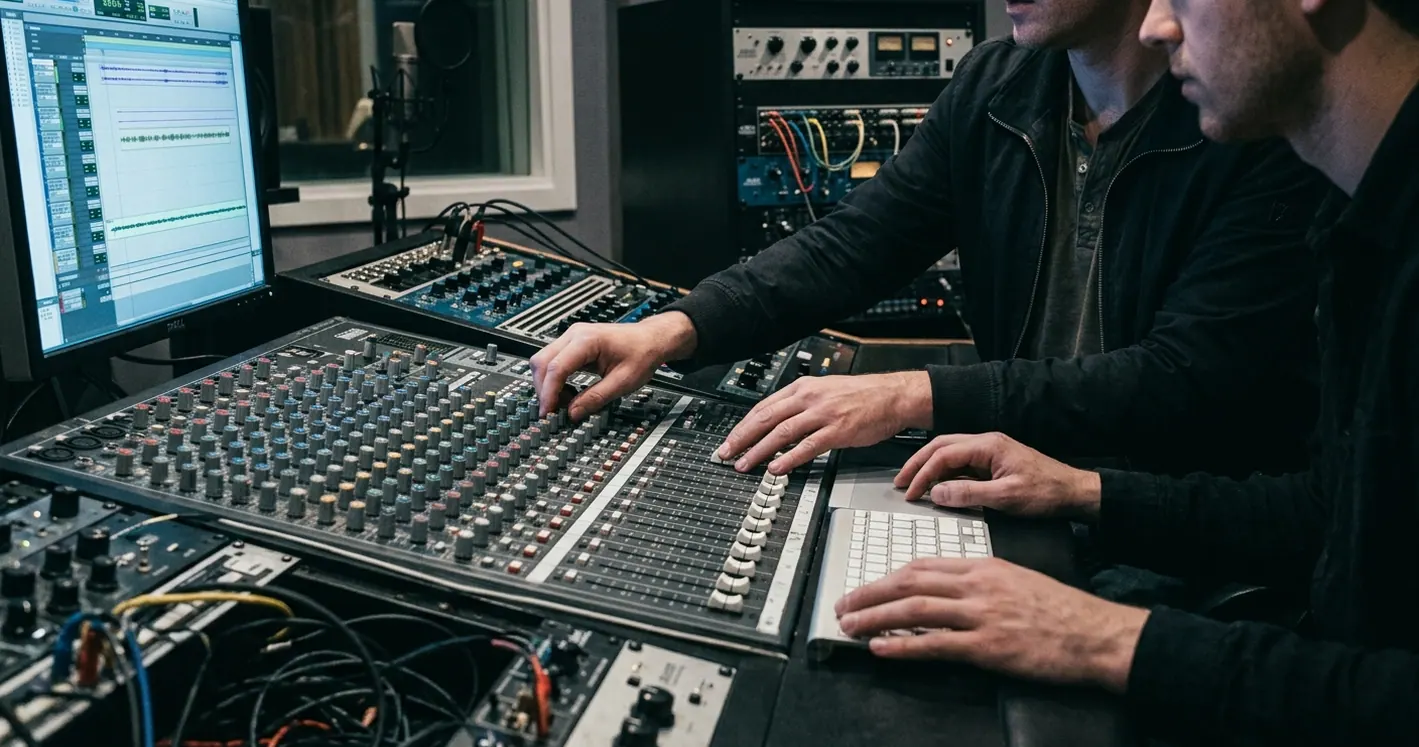
Mid-tempo grooves ranging from roughly 85 to 95 beats per minute give melisma somewhere to land. Organic instrumentation keeps the pocket human: drums that breathe, bass that talks back, keys actually played in the room. The production outline favors that organic rhythm section so the vocal interplay stays in front of the mix instead of fighting a glossy bed.
- Keep the groove in that 85–95 range so runs read as rhythm, not clutter.
- Track the rhythm section live enough that the singers can push and pull.
- Leave arrangement space in the pre-chorus, where both writers already like tense chords.
- Write the backgrounds as parts, not as a smeared pad.
Two Arrangers, One Choir
Both artists stack backgrounds with jeweler patience. The collaborative track that would actually sound like them is one they co-arrange as a choral stack. In the range of 16 to 24 distinct background vocal tracks, each a written line, would turn the chorus into architecture. That is church craft applied to a pop master, and it is the one job neither of them farms out lightly.
Skip The Cameo
A featured verse over a finished instrumental would freeze one of them as a guest. Write the song together. Stack the choir together. Let the master carry two arrangers, not a cameo stamp.
A proposed recording window of roughly two to three weeks only holds if they share physical space, trading looks across the glass rather than shipping digital stems. Remote files would flatten the very thing those 1998-to-2006 broadcasts already showed: they listen in real time.
The constraint is the lesson. Eye contact is what the arrangement wants. The choir stack wants two arrangers in the same booth plan. Book the room that way, or do not bother calling it a duet.
The Blueprint Is Already in the Archives
The musical evidence is already filed. Televised stages from 1998 to 2006. Shared gospel time across two generations of runs. Keyboard writing that reaches for the same tense chords. Background-vocal craft that wants a room, not a plugin.
Compatibility here is structural. Melisma built on pentatonic descent. Pre-chorus tension built on minor ninths and diminished sevenths. Production that would live at a walking groove with a small choir of their own voices. None of that requires a concept pitch. It requires a date and a piano.
Shared Keyboard DNA
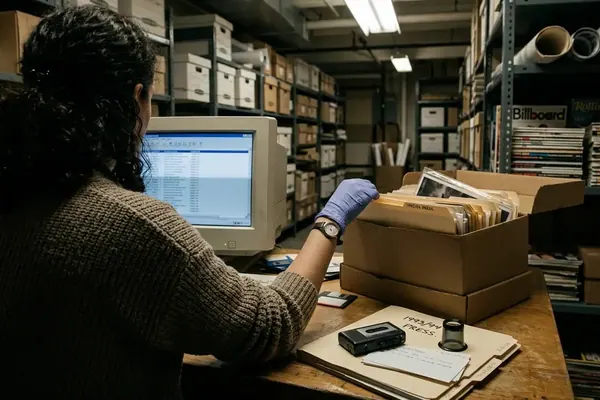
Cross-referencing historical chart archives from national music charting organizations verifies sole credit for writing, producing, and arranging a chart-topping single entirely from a keyboard workstation.
Both artists hold the rare historical distinction of writing, producing, and arranging their own Billboard Hot 100 number-one hits entirely from the keyboard, a through-line documented from 1970 to 2005, still waiting for the session that sets both pairs of hands on one song.