Butterfly still feels like a door opening. Not a polite door, either. The album arrives in Mariah Carey’s catalog with motion, risk, and a newly sharpened sense of authorship, the kind that makes a release date read less like a calendar entry and more like a turning point.
A Chart-Topping Prelude to Emancipation
On September 13, 1997, “Honey” debuts at #1 on the Billboard Hot 100, giving the Butterfly era its opening headline before the album even landed in stores.
That chart moment matters because it did not come from playing it safe. Carey was already an established pop force, a recording artist whose voice had powered adult-contemporary ballads, sleek radio hooks, and skyscraping climaxes. The expectation around her was clear: stay in the lane that had already made history.
Instead, Butterfly moved toward R& B and hip-hop with intent. Carey and her core creative team leaned away from the distributor’s preferred adult-contemporary ballad formula and into a sound that carried more grit, more swing, and more late-night tension. The decision did not erase the ballads; it changed the frame around them.
Bottom Line: “Honey” reaching the top of the Hot 100 before the album rollout gave the stylistic pivot public proof at the exact moment it needed momentum.
The release date that changed the temperature
The album’s initial global physical rollout began on September 16, 1997, then continued across international territories through September 23. That staggered arrival gave Butterfly the feeling of a story spreading city by city, shop by shop, import rack by import rack.
For fans, September 16 became the watershed. Here was Mariah Carey not simply releasing another album, but rewriting the terms of how she wanted to be heard. The shift had tension because it came from someone who did not need a reinvention to remain famous. She chose one anyway.
- Lead single: “Honey,” the sleek opening strike of the era.
- Album launch: A physical rollout beginning September 16, 1997.
- Creative turn: A deliberate move toward R& B, hip-hop, and self-directed intimacy.
Sonic Reinvention: Whispers, Staccato, and Hip-Hop Integration
Early detractors had sometimes treated Carey’s melisma as the whole story, as if the size of the run mattered more than the intelligence behind it. Butterfly answers that criticism by pulling the camera closer. The power is still there, but the album often wins by restraint.
The whisper becomes architecture
The whispery vocal style on Butterfly is not a decorative effect. It works like a second lead instrument. During the early-to-mid 1997 studio stretch, the vocal production process involved layering multiple takes of breathy, lower-register singing until the tracks developed a tactile intimacy.
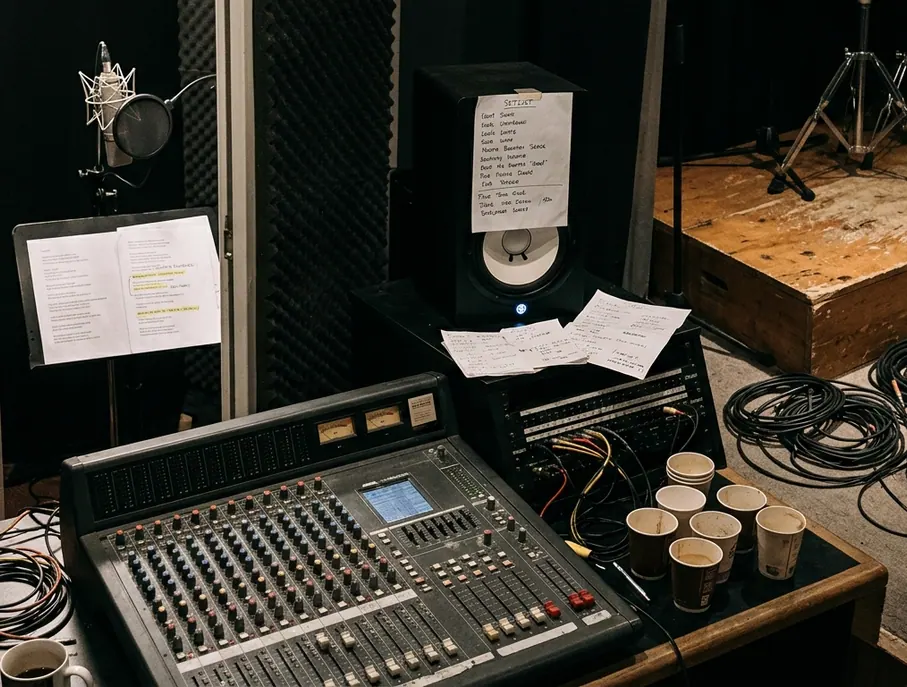
That approach changed the emotional weather. A line could feel private without sounding fragile. A harmony could brush the ear instead of announcing itself from the balcony.
One catch: those layered whisper registers are hard to translate outside the vocal booth. The intricate textures built in the studio require careful acoustic handling in live settings, especially when the goal is to keep the breath in the sound rather than let the mix turn glassy.
Field Note: Attempting to replicate the 1997 vocal layering with modern automated pitch correction can flatten the breathy dynamics, leaving the mix clean but oddly sterile.
Staccato phrasing meets melodic rap
“Breakdown” makes the case most vividly. The vocal arrangements use a staccato singing style that directly mirrors the rapid, melodic rapping associated with Bone Thugs-N-Harmony. Carey does not paste hip-hop onto a pop structure; she studies the rhythmic logic and writes herself into it.
The phrasing is precise. Syllables land in quick patterns, then slide into melody before the ear can separate rap cadence from sung line. It is technical, but it feels conversational, which is why the track still plays like a confession passed across a room.
- She narrows the vocal attack so the rhythm can lead.
- She stacks airy takes to keep the line intimate.
- She lets hip-hop cadence reshape the melody instead of sitting beneath it.
The impact of that integration did not move everywhere at the same pace. Urban radio formats picked up the staccato-driven material ahead of mainstream pop syndication, which says plenty about how the album traveled through different listening communities before settling into the broader canon.
Framing the Era: The Visionary Directors of Butterfly
The sound changed, and the visuals knew it. Butterfly did not need music videos that merely showed a glamorous star singing a single. It needed short films with shadows, heat, escape routes, and emotional atmosphere.
Paul Hunter and the “Honey” reset
Paul Hunter directed the “Honey” music video, and the choice suited the single’s sleek sense of motion. The clip places Carey inside a cinematic world of danger, wit, and release. It is playful, but it also broadcasts independence with unusual clarity.
That mattered. The “Honey” videos did not just support the song; they introduced the public to the visual language of the era. Carey looked less like a figure placed inside a pop campaign and more like the center of a story she was actively steering.
Daniel Pearl, Herb Ritts, and the album’s visual range
The visual arc widened from there. Daniel Pearl co-directed the “Butterfly” video, giving the title track a sense of open air and symbolic release. Herb Ritts lensed the visual for “My All,” another Billboard Hot 100 #1, drawing on the elegance and high-contrast sensuality that made his work instantly recognizable.
Principal photography for the album’s primary visual assets took place between mid-1997 and early 1998, a span that allowed the era to unfold in chapters rather than one static look. The videos are cohesive, but they are not identical. “Honey” moves like a chase. “Butterfly” breathes. “My All” glows in black-and-white longing.
Important: The Butterfly visuals work because they match the album’s emotional range instead of reducing it to one mood.
Seen together, the directors helped turn the album campaign into a cinematic archive. Hunter captured the thrill of escape. Pearl framed transformation. Ritts found the ache inside elegance. The result was not a glossy add-on to the music; it was part of the authorship.
The Enduring Resonance of 1997
The legacy of Butterfly rests partly on its dual #1 hits, “Honey” and “My All,” but numbers alone do not explain why the album keeps returning to the center of Mariah Carey conversations. Its staying power comes from the combination: commercial force, vocal experimentation, hip-hop fluency, and visual storytelling arriving in one tightly drawn era.
Why the 25th anniversary landed differently
By the time the 25th-anniversary edition arrived, Butterfly had already become a reference point for later pop and R& B eras, including the kind of public reassertion that would define The Emancipation of Mimi years later. The anniversary reissue did not have to create the album’s importance. It had to handle the artifact with care.
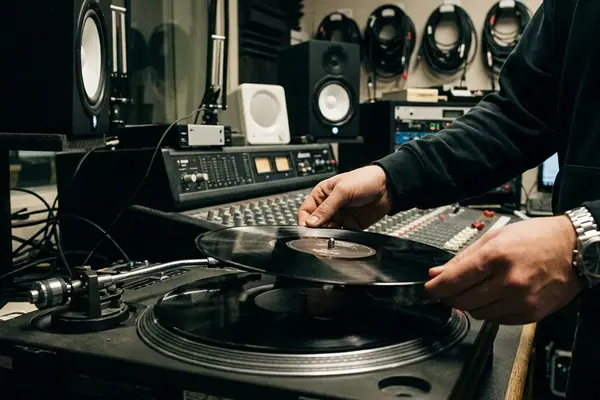
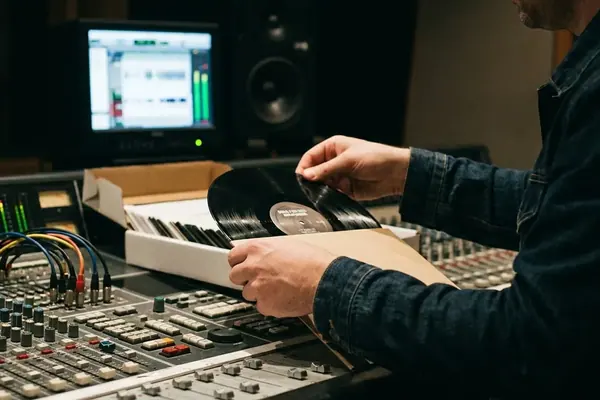
The physical editions were manufactured and distributed globally between September and November of 2022. The vinyl edition includes specialized packaging with restored original artwork and previously unreleased instrumental tracks from the original studio sessions. Audio engineers remastered the original analog tapes for high-fidelity vinyl pressing, aiming to preserve warmth rather than sanding off the grain.
That restoration focus fits the album. Butterfly has always rewarded close listening: the breath before a phrase, the rhythmic snap in a verse, the way a harmony appears like light under a door. On vinyl, those details invite a different pace.
The album as living fan culture
Fan culture has kept Butterfly from hardening into museum glass. Listeners still debate vocal stacks, rank the videos, quote the deep cuts, and trace how the era helped make room for pop stars to claim R& B and hip-hop influence without treating either as a costume. The album remains active because people keep using it: for reference, for comfort, for study, for joy.
That is the quiet triumph of 1997. Butterfly was a release, a turning point, and a declaration, but it also became a listening practice. Put it on, and the room changes.
On a small apartment turntable, the 25th-anniversary vinyl slips from its restored sleeve just after sunset. A listener lowers the needle, hears the first shimmer of “Honey,” and pauses with one hand still near the tonearm, as if the whole Butterfly era has just walked back into the room.