
Why a Fan Rumor Can Cost a Presale
A screenshot can travel farther than the announcement it claims to show. One account posts a presale code, another supplies a venue, and soon a date appears settled. By the time the ticketing page opens, the code may belong to another show—or the registration period may have passed.
For this Mariah Carey fan calendar, a date earns a place only when an official artist, venue, ticketing, retailer, broadcaster, or platform notice identifies the event and the action fans can take. I keep the announcement date separate from the registration deadline, on-sale time, event date, and delivery estimate. Those are different dates with different consequences.
The material available for this update does not include dated official notices for the current season’s concerts, releases, broadcasts, or merchandise launches. Naming any as confirmed would turn a planning tool into another rumor. Until a notice supplies the particulars, use the source checks below to prepare without treating an unannounced event as scheduled.
Code Source Rule: Leave social-media presale codes out of the calendar unless the artist, venue, or authorized ticketing partner connects the code to a named event and on-sale.
Keep a copy of the original notice when a date does appear. A repost may omit the time zone, eligibility terms, or a later correction, and those details often decide whether a fan can act in time.
Getting Into a Mariah Carey Show
There are no current-season performance dates or residency appearances in the supplied official notices to list here. The next useful entry must start with a named venue and performance date, then identify where tickets are actually sold. An artist announcement establishes the appearance; the venue box office and authorized ticketing page establish purchase terms for that room.
Put registration before the on-sale
When a verified-fan sale is announced, record its registration closing time as a separate deadline. Registration and ticket purchase are distinct steps. A fan who finds the on-sale date while overlooking registration may have no access to that sale, even if tickets remain available to registered buyers. Check the announcement for eligibility, whether selection is involved, when access information will arrive, and whether a later general sale is planned. An access code grants an opportunity to shop under the stated terms; it does not reserve a seat.
- Open the event page from the artist or venue notice, then confirm the venue, city, and performance date match.
- Record the registration deadline and on-sale time with their stated time zone.
- Read the authorized seller’s rules for transfer, resale, mobile entry, and account setup before sale day.
- Check the venue’s separate instructions for arrival, accessible seating, and VIP packages.
VIP wording deserves a close read. Early entry tied to a general-admission pit should not be read as early access to reserved seats. Likewise, a digital ticket requirement belongs to a specific event’s published entry policy, not to every Carey performance. Save the policy that applies to the ticket in your account; a generic tour graphic cannot settle a venue-specific question.
Vinyl Drops and the Dates That Matter
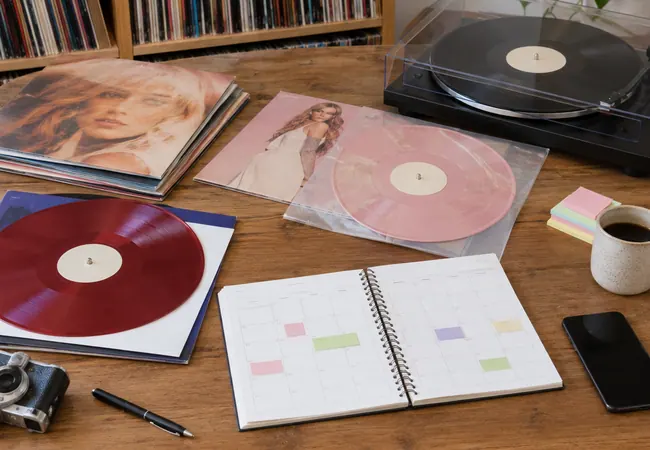
Physical releases create two overlapping calendars. A standard retail edition may have a widely advertised release date, while an official-webstore color variant may open for orders separately and ship later. For an anniversary pressing or archival edition, record the title, format, seller, order opening, stated release date, and dispatch language as separate fields.
Separate the pressing from the listing
The Emancipation of Mimi makes a useful title-level check: if a listing claims an anniversary edition, compare its track list, format, catalog details, and artwork against the announcement for that edition. Similar cover art alone cannot establish that two listings describe the same pressing. For archival material, look for the stated audio source and remastering credit rather than assuming that a new sleeve means new audio work.
Manufacturing and distribution also answer different questions. A pressing-plant production or completion estimate concerns when records may be ready; a retailer’s release date concerns when its edition may be offered. Neither automatically tells a customer when a webstore preorder will leave the warehouse. Keep those dates in separate calendar fields.
The supplied material identifies no confirmed upcoming pressing or remastered archival release, so there is no edition or order date to publish yet. When a store-exclusive variant appears, use the official product page to confirm its terms. If it sells out, revisit that page and the store’s official updates for a restock. An unannounced restock is possible, but an old product link or a resale listing is not confirmation that new stock is available.
Watching Holiday Broadcasts Across Time Zones
A television listing needs more than a program title. To make a Mariah Carey appearance usable across borders, record the originating network or streaming service, broadcast date, start time, stated time zone, and whether the program is live, prerecorded, or available on demand. A holiday special promoted for one territory may reach another territory later through a different service.
Translate the broadcast, then check access
Start with the broadcaster’s own schedule. Convert its stated start time into the viewer’s local time, using the date of transmission so daylight-saving changes are handled correctly. Then check the platform’s local listing: the same advertised premiere may have a different availability time, and a live broadcast may disappear from a service after its viewing window closes.
- For television: confirm the local channel, transmission time, and whether the listing names Carey as a performer, guest, or subject of archival footage.
- For streaming: confirm the service, eligible country, premiere time, and any stated end date for access.
- For replays: record the replay or on-demand listing separately from the original live broadcast.
No current-season television appearance, holiday special, or streaming premiere in the supplied material has a dated platform announcement. A circulating clip can establish that footage exists; it cannot establish where or when viewers in another country can watch a forthcoming program. Wait for the local rights holder’s listing before blocking out viewing time.
Merchandise Orders Before the Holiday Rush
For official merchandise, the order date and the arrival date belong in different boxes. A seasonal collection can launch while some products are ready to ship and others remain on preorder. A collaboration may also have its own storefront, fulfillment terms, and returns policy. Read the product page attached to the item you want rather than applying one shipping promise to an entire collection.
The most important calendar entry is the store’s published holiday-delivery cutoff for the buyer’s destination and shipping method. Record the time zone if the deadline includes an hour. Keep a separate reminder for a concert purchase: an estimated arrival after the show is of little use when the item was meant to be worn there.
Read dispatch language literally
“Ships by” describes dispatch, while “delivers by” describes arrival. Preorder apparel may also wait for production before dispatch begins; combining it with an in-stock item can affect when the rest of an order moves, depending on that store’s policy. Check whether items ship together or separately before paying, and retain the order confirmation and product-page wording.
The source material provides no confirmed launch or shipping cutoff for the current season. Once the official store publishes one, verify its destination rules again near checkout. A deadline shown for one country or shipping service should never be copied into an international fan calendar without its scope attached.
What the Seasonal Calendar Belongs To
Carey’s seasonal schedule draws attention to more than a single performance or product. A live appearance sends fans toward tickets; a holiday broadcast changes the viewing calendar; a vinyl edition brings an older recording back into circulation. The dates are brief, but the catalog connecting them has a much longer life.
That is why the calendar should preserve provenance as carefully as urgency. An original announcement, its issuing organization, and any subsequent correction let a reader reconstruct what was available to know before a sale or premiere. The same discipline matters in a press archive: a claim about M by Mariah Carey merchandise belongs to its own product notice, while a claim about a recording’s certification belongs to the certification record.
The scale of that record gives the seasonal rush its sharpest context. “All I Want for Christmas Is You” became the first holiday song in history to receive a Diamond certification from the RIAA, the association’s designation for ten million certified units.