How Do We Measure Cultural Footprint Outside of December?
How can industry analysts accurately measure Mariah Carey’s baseline popularity when her seasonal dominance obscures the rest of the year?
The familiar public narrative reduces the recording artist to a holiday phenomenon. Her catalog tells a much broader story. Albums, non-singles, archival interviews, studio discussions, and fan-made videos continue circulating long after seasonal playlists have quieted. The analytical challenge lies in separating that sustained activity from the immense fourth-quarter surge.
The research team first considered discarding all fourth-quarter metrics. That would have created a cleaner chart while erasing genuine non-holiday listening that happens during the same months. The stronger method isolates ISRC-filtered non-holiday track metadata, using International Standard Recording Code identifiers to distinguish seasonal recordings from the wider catalog.
That isolation ran from mid-January 2025 through late October 2025. It established three practical lenses for reading Carey’s momentum:
- Streaming behavior, especially repeat listening to albums and non-singles.
- Search intent, including queries about songwriting, arranging, and studio production.
- Social circulation, where older songs, interviews, and fashion clips acquire fresh meaning.
Read Beyond December
A seasonal spike explains the height of one moment. A cultural baseline reveals what listeners carry into the rest of the year.
Catalog Endurance and the Deep-Cut Resurgence
Butterfly and Daydream remain especially useful tests of catalog endurance. Their R&B-heavy sequencing invites album listening, while beloved tracks beyond the major singles give analysts a clearer view of deliberate fan attention.
When a Play Signals Intent
Across the spring and summer of 2025, analysts tracked daily unique-listener retention on non-singles alongside algorithmic playlist placement. The comparison matters because a playlist can deliver passive exposure. A listener who returns to a deep cut across successive days is making a more purposeful choice.
Algorithmic placement can inflate baseline streaming numbers, so playlist presence alone cannot establish loyalty. Cross-referencing it with retention offers a more disciplined reading of the catalog. Sustained daily consumption outside the obvious hits points toward listeners exploring eras, sequencing albums, and revisiting personal favorites.
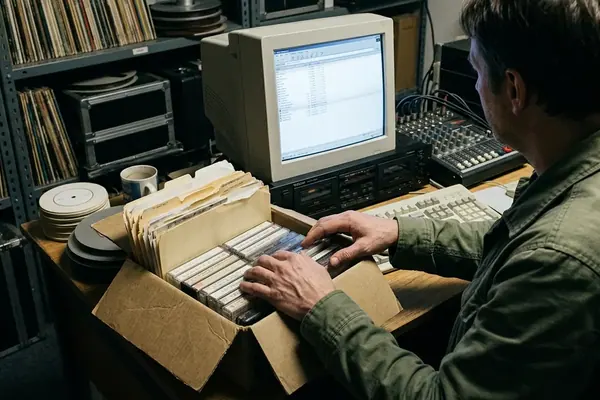
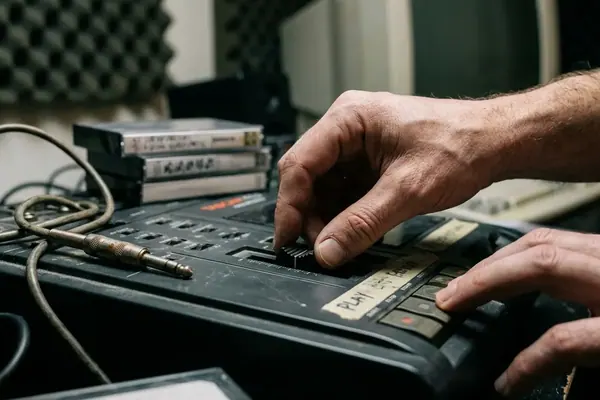
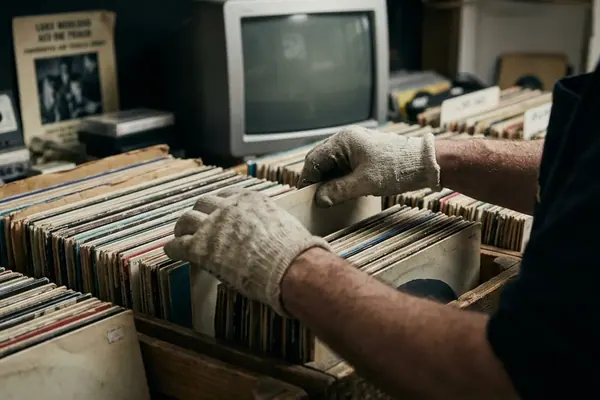
Physical collecting adds another layer. Cassette and vinyl reissue shipment volumes were compared with digital streaming movement during the same period. When a reissue brings an album back into a fan’s hands, its digital counterpart often becomes easier to revisit during commutes, at work, or through shared playlists.
That relationship has a defined boundary: it applies to albums originally released during the peak physical era of the 1990s. Later digital-first projects do not carry the same collector nostalgia, so their streaming patterns require a different interpretation. Within that scope, the combined behavior shows how ownership and everyday access can reinforce each other.
Search Intent and the Songwriter Legacy
Search behavior is moving deeper into the credits.
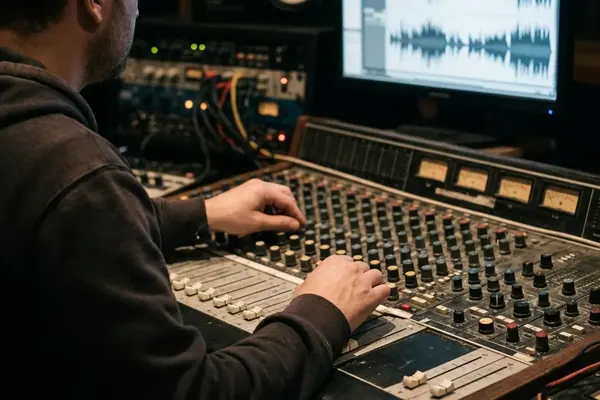
Broad curiosity about Carey’s vocal range still belongs to her public profile, but the more revealing development appears in technically specific searches. Across early 2024 into mid-2025, the research categorized queries through semantic clustering, grouping terms connected to vocal arranging, background-vocal layering, primary songwriting credits, studio sessions, and production techniques.
From Vocal Spectacle to Studio Craft
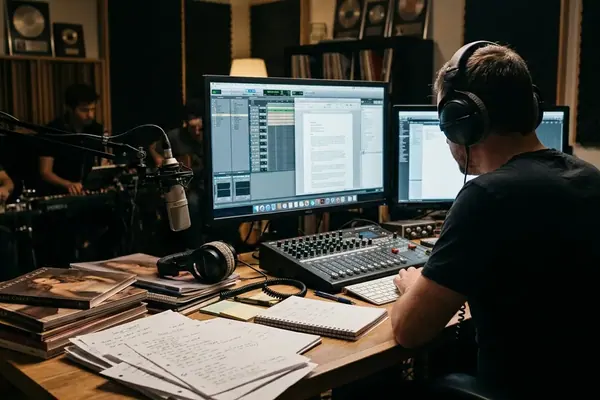
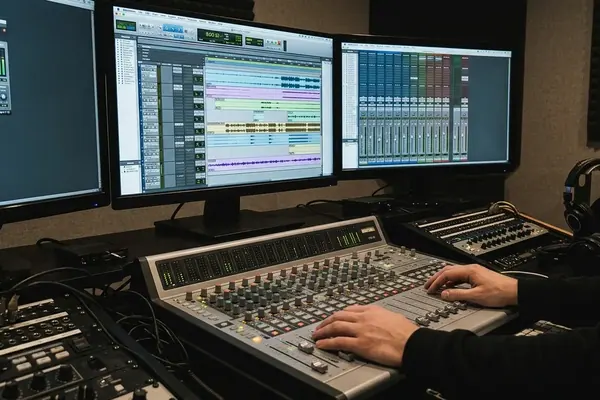
This change in intent marks a maturing conversation. A listener asking about background-vocal construction wants to understand how a record was built. A reader looking for primary songwriting credits is examining authorship rather than treating the finished performance as a mysterious display of talent.
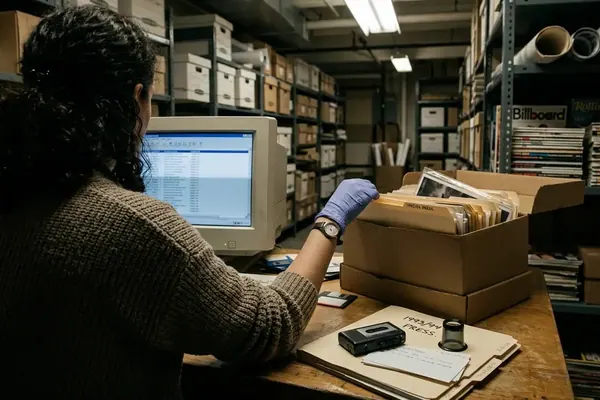
That curiosity also sends people back to archival interviews and long-form retrospectives about her 1990s sessions. Music journalists and pop historians can follow those trails into the practical decisions behind stacked harmonies, melodic phrasing, and the relationship between pop structure and R&B texture.
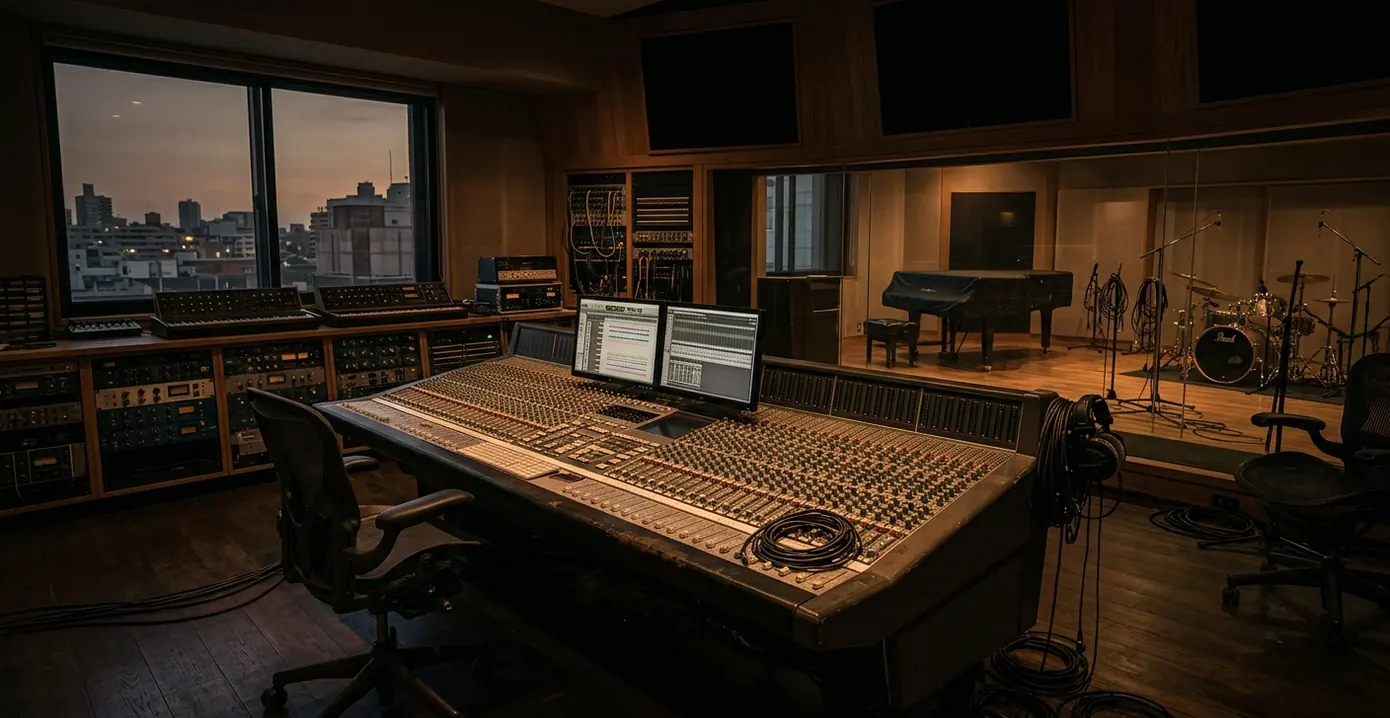
The result is a critical re-evaluation grounded in process. Carey increasingly appears in these searches as a songwriter and studio architect whose choices shaped the sound of modern pop and R&B. The voice opens the door; the craft keeps readers in the archive.
Organic Social Resonance Without Official Promotion
A 15-second deep-cut excerpt can begin a second life with no formal campaign attached to it. One creator pairs the audio with a 1990s fashion reference. Another cuts it against an old interview response. Soon, the song and image function as a shared digital language.
Researchers monitored user-generated audio snippets lasting roughly 15 to 30 seconds from June through September 2025. They mapped those clips to metadata tags associated with 1990s aesthetics, then examined how archival fashion and interview footage accompanied the music.
The Archive Becomes a Template
Younger users often encounter the aesthetic before they encounter the full album. Sunglasses, glamorous minimalism, studio footage, candid humor, and early-2000s styling become entry points into the catalog. Songs then gain context as viewers trace a clip back to its original era.
Social virality remains fleeting and difficult to connect directly to long-term loyalty. The recurring nature of these audio trends carries more weight than any isolated burst, however. Carey’s deep cuts repeatedly return in new formats, with different creators and visual references, outside her official promotional timetable.
- Archival fashion clips supply recognizable visual cues.
- Interview excerpts introduce personality and humor.
- Deep-cut audio gives creators material beyond the signature hits.
- Repeated rediscovery moves users from short clips toward full recordings.
That cycle demonstrates cultural embeddedness—her catalog provides raw material people can adapt without waiting for a release anniversary or scheduled campaign.
Redefining the Baseline for Legacy Artists
Streaming, search, and social behavior illuminate different parts of the same year-round story. Non-holiday ISRC filtering captures catalog consumption. Listener retention helps distinguish intentional deep-cut engagement from playlist exposure. Search clustering reveals growing interest in authorship and production, while short-form video shows the archive entering contemporary expression.
A Rolling View of 2026
The new tracking model uses a rolling moving average of approximately 45 days for non-seasonal catalog consumption. Its January-to-December 2026 window is designed to smooth brief surges while preserving meaningful shifts in listening behavior. Seasonal recordings remain visible in their proper context without swallowing the measurement of everything around them.
This approach also changes the questions journalists ask. Coverage can follow the renewed life of Butterfly, the search trail around vocal arranging, or the resurfacing of a deep cut instead of waiting for the annual holiday chart cycle. It presents Carey as an active influence whose earlier work continues to shape listening habits, criticism, collecting, and online style.
Music journalists and industry analysts should adopt the rolling year-round model now and retire the holiday-only frame for Mariah Carey’s catalog.