Five Studio Pairings That Open Up Mariah Carey’s Catalog
This listening queue spans five studio collaborations across three decades of Mariah Carey’s catalog, connecting “Crybaby” from Rainbow in 1999 to two standouts from 2018’s Caution. Between them sit Miguel and Nas, whose contributions pull Carey toward very different versions of soul and hip-hop.
Her biggest commercial duets can dominate the conversation around her collaborations. That leaves less room for a more revealing question: what happens when a collaborator changes the architecture of a Mariah Carey song? A rapper can lower its emotional temperature. A co-producer can leave enough space for her background vocals to become part of the atmosphere. Another singer can take the opening spotlight entirely.
These selections mix album cuts with a recognizable single. Listen beyond the hook and each offers a distinct arrangement lesson: who enters first, who supplies friction, and who gets the final word. The discography & charts perspective tells one story. The studio arrangements tell another.
“Giving Me Life”: Blood Orange Builds Space for Carey and Slick Rick
“Giving Me Life” makes patience sound luxurious. On this Caution track, Dev Hynes, performing as Blood Orange, contributes production, guitar, and backing vocals. Slick Rick brings a conversational presence that fits the music’s loose, nostalgic atmosphere.
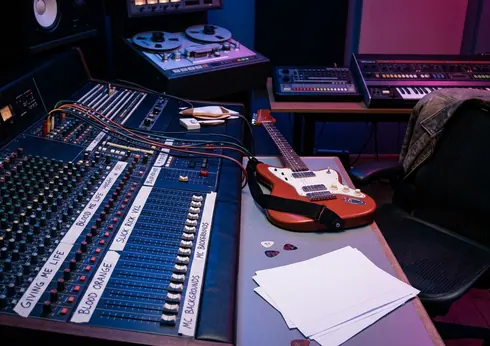
The central idea is spaciousness. Atmospheric synth pads soften the edges of the beat; the guitar seems to wander around the vocal rather than underline every phrase. Carey answers that setting with hushed melodies and layered responses. Her voice sits inside the haze, with individual phrases briefly coming into focus.
Slick Rick provides a useful change in texture. His sharply recognizable cadence gives the track a conversational center without forcing a dramatic gear change. Against Carey’s whisper-register phrasing, his interlude feels comfortably grounded, like someone telling a story while the room keeps moving around him.
Then the outro opens out. Guitar, percussion, and vocal fragments carry the recording past six minutes—an unusually generous amount of room for the arrangement to become the main attraction. That extended departure is the payoff. Hynes establishes an unhurried environment, Carey inhabits it, and the ending lets their shared atmosphere linger.
“#Beautiful”: Miguel Takes the Opening Spotlight
The decisive arrangement choice in “#Beautiful” happens before Carey sings. Miguel handles the opening verse and chorus, establishing the song’s grainy soul character on his own. When she enters, the recording gains a second lead personality rather than simply adding another vocal layer.
Released in 2013 ahead of Me. I Am Mariah... The Elusive Chanteuse, the track was co-written and co-produced by Carey and Miguel alongside Nathan “Happy” Perez and Brook Davis. Its palette looks back toward sixties soul: dry, choppy electric guitar, finger snaps, and a rhythm section with plenty of exposed space.
The guitar does particularly important work. Its clipped attack gives the song a physical pulse while leaving the singers room to stretch syllables across it. Heavy synthesizer gloss would change that relationship; here, the slight roughness makes the vocal contrast more immediate.
Miguel sounds settled in the groove before Carey arrives. Her entrance brightens the record without wiping away his character. For a singer whose voice can command an arrangement instantly, sharing the lead this way is a strong creative decision. Both performers retain their identity, and the duet gains momentum from the handoff.
“The Distance”: Electronic Producers Leave Room for Vocal Grain
“The Distance” presents a specific production challenge: how do you bring together Skrillex, Poo Bear, Lido, Carey, and Ty Dolla $ign while keeping the song light on its feet?
The solution on this Caution cut is restraint. Warm synthesizers and a buoyant, mid-tempo rhythm carry the track, while cheerleader-style chants add a communal, percussive lift. The arrangement keeps its energy circulating instead of spending it on a huge electronic drop.
That choice gives Ty Dolla $ign’s voice a clear purpose. His grainy lower register adds weight beneath Carey’s airy, multitracked harmonies. Listen to the edges of their phrases: his delivery supplies a rougher surface, while hers fans outward into softer layers.
Compared with Miguel’s prominent opening in “#Beautiful,” Ty’s contribution works more through tonal balance. The production teaches a useful lesson about these collaborations: an impressive guest list becomes musically persuasive when each participant has a distinct job. Here, the bounce connects them, and the contrasting vocal textures keep the sweetness from becoming weightless.
“Dedicated”: Nas and Carey Turn Hip-Hop Memory into Conversation
“Dedicated” builds its nostalgia into the foundation. The Me. I Am Mariah... The Elusive Chanteuse track draws on Wu-Tang Clan’s “Da Mystery of Chessboxin’,” bringing a recognizable piece of New York hip-hop history into Carey’s melodic world.
Hit-Boy, Darhyl “DJ” Camper, and Hazebanga share production duties. The boom-bap swing gives the recording its backbone, while the background harmonies bring a gospel-inflected fullness. Those elements create a productive tension between the clipped feel of the hip-hop source and the expansive vocal arrangement around it.
Nas belongs within that conversation. His presence connects the song’s backward glance to a voice closely associated with the era it celebrates. Carey and Nas exchange reflections across the arrangement, so the rap contribution feels woven into the subject rather than parked outside it.
The strongest listening angle is the relationship between memory and movement. The borrowed vocal material supplies recognition; the new singing and conversational exchanges keep the track moving forward. “Dedicated” treats its influences as active musical material, with enough warmth to make the recollection feel personal.
“Crybaby”: Snoop Dogg Cools the Late-Night Drama
On Rainbow, “Crybaby” sets a sleepless-night narrative against the melancholy of Force M.D.s’ “Tender Love.” Carey and Damizza’s production uses that sample as an emotional anchor, giving the track a familiar ache before her lead vocal starts pushing against it.
The verses stay close and conversational. Breathy phrases suggest someone replaying an unresolved exchange in the quiet. As the song develops, Carey opens into fuller, bruised-soul climaxes, and the contrast makes the final choruses feel increasingly exposed.
Snoop Dogg changes the room’s temperature.
His laid-back West Coast drawl introduces composure into an arrangement full of restless feeling. The spoken and rapped passages make Carey’s intensity more apparent by giving it something cooler to lean against. Where “Dedicated” uses its rapper to deepen a shared historical conversation, “Crybaby” uses a guest voice to regulate emotional pressure. That distinction makes the pairing worth revisiting closely.
Play from “#Beautiful” to the Long Goodbye of “Giving Me Life”
Release order flattens the connections here. Build the queue around energy and texture instead:
- “#Beautiful”: Start with the clipped guitar and immediate lift of the shared lead.
- “The Distance”: Carry that momentum into warmer synths and a springier rhythmic pocket.
- “Dedicated”: Let the boom-bap foundation introduce a heavier sense of memory.
- “Crybaby”: Settle into the slower, more emotionally charged late-night stretch.
- “Giving Me Life”: Finish with the spacious guitar outro and dissolving vocal layers.
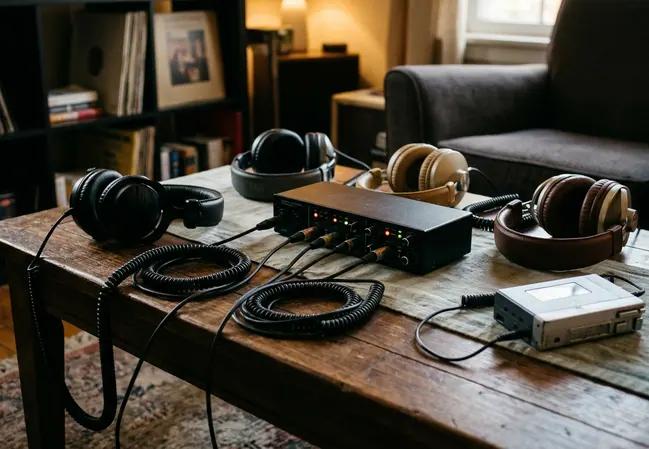
Use studio-grade stereo headphones and pay attention beneath the lead performances. Follow a background response through the mix, then notice how the guest voice changes its apparent weight. Stereo playback preserves the separation between the panned vocal details and guitar textures that a mono speaker folds together.
I put “Giving Me Life” at the top of this group because Carey’s trust in Hynes’s pacing produces the most complete shared musical world. Make it the essential listen: play the queue in this order, keep the headphones on, and let its entire outro run.