A Magazine Clipping Beside an Open Memoir
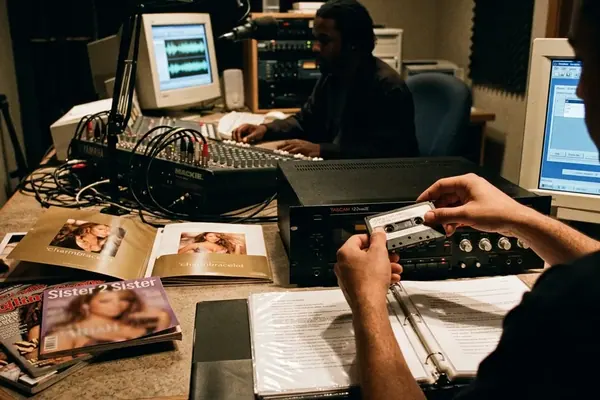
Place a glossy music-magazine clipping from the 1990s beside an open hardback copy of The Meaning of Mariah Carey on a wooden archive table. The clipping fixes a public moment: an album campaign, a photographed appearance, a carefully framed answer. The memoir supplies another chronology, organized around the experiences Carey considers decisive.
That distance between those accounts is the subject here.
Across approximately six milestones, Carey connects musical decisions to racial identity, family instability, domestic control, exhaustion, and the recovery of creative agency. Coverage organized around discovery, marriage, image changes, and commercial fortunes often gave those decisions a simpler explanation. Reading the accounts together makes the underlying conflicts more legible.
I treat the memoir as a retrospective interpretation of her life, with particular weight given to how she explains her own motivations. The method is straightforward: identify a career turning point, examine its contemporary public framing, then follow the memoir’s account of the pressures surrounding it. Publication date, interview date, and the period being remembered belong on separate lines. Keep those distinctions visible when comparing a magazine profile with a remembered conversation; retrospective narration should never become an invented verbatim transcript.
Long Island Instability and the Work Behind the Demo
Childhood Gives the Discovery Story Its Missing Context
Carey’s account of growing up on Long Island gives racial identity and family insecurity a central place in her biography. Frequent moves, racial hostility, and volatile relationships establish the conditions within which music became a source of continuity. Her childhood carries its own significance before it enters the story of a recording contract.
The debut-era Cinderella narrative compresses that background into a convenient ascent: a gifted young singer encounters the right executive, and a career begins. That structure gives discovery the decisive action. The memoir redistributes attention toward the person who arrived at that encounter, already shaped by difficult experiences and sustained musical concentration.
This changes the emotional scale of the early career. A public success story can move quickly from hardship to opportunity. Carey’s telling keeps the earlier instability present, allowing later questions of safety, belonging, and control to connect with childhood.
The Manhattan Tapes Reveal an Arranger at Work

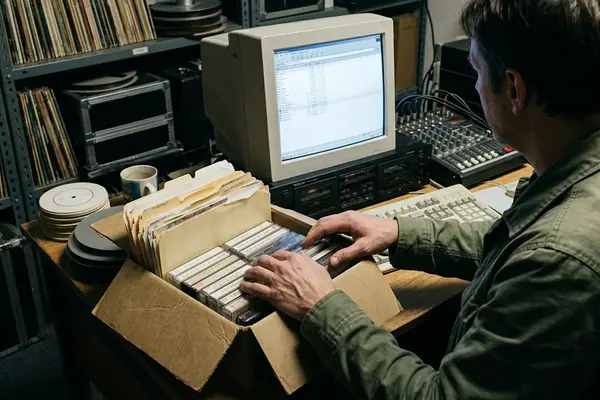
The Manhattan demo years supply the practical counterweight to the discovery legend. Late-night sessions, sleeping on studio floors, and repeated work on background vocals describe an apprenticeship with physical costs. Each layered part required a musical decision: where a harmony entered, how it supported the lead, and how its texture changed the song.
Her account of songwriting with Ben Margulies and the musical grounding associated with her mother, Patricia, locates that work within an existing education. The completed demo carried choices about melody, harmony, and arrangement before a major contract formalized the career.
The cassette deserves attention as evidence of authorship. Its importance extends beyond its passage into an executive’s hands. Hearing the early songs with those sessions in mind brings the backing-vocal architecture into focus: Carey was already developing the layered musical language that would distinguish her recordings.
From Bedford Isolation to the Sound of Butterfly
Commercial Splendor Concealed Domestic Confinement
At her mid-1990s commercial peak, Carey occupied a public image built around vocal command, polished presentation, and extraordinary success. The grand domestic setting could fit comfortably within that image. Her memoir gives the Bedford estate a sharply different meaning, describing surveillance, isolation, and restrictions on ordinary personal freedom.
That contrast matters because the same surroundings can signify achievement in a magazine photograph and confinement in a remembered daily routine. The memoir places image control beside domestic control, showing how expectations about appearance and musical direction could reinforce one another.
Read through that account, the period’s ballads acquire another emotional dimension. Their longing and distance sit beside her description of an increasingly restricted life. This is an interpretive connection between the songs and her testimony; it should guide close listening without turning every lyric into a literal diary entry.
Butterfly Makes Creative Autonomy Audible
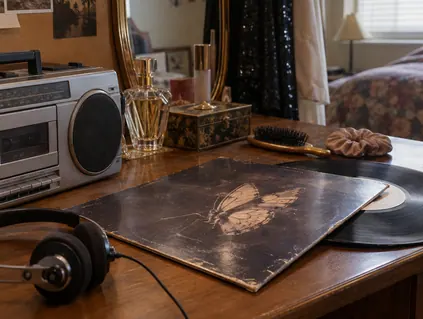
The 1997 Butterfly pivot becomes clearer when the setting shifts from the Bedford estate to the recording studio. Hip-hop collaboration, intimate vocal textures, and vulnerable songwriting gave Carey room to articulate a musical identity that the earlier public image had contained.
Her account presents this direction as a long-delayed expression of affinity and choice. The process matters as much as the finished styling: collaborators, production decisions, and vocal arrangements locate autonomy inside the recording itself. The studio becomes a useful contrast to the estate because it makes freedom tangible through decisions about sound.
Coverage centered on clothes and presentation could make the era appear to begin with a visual makeover. The album credits offer a firmer route into its musical changes. Follow the writers and producers, then listen for the relationship between rhythmic phrasing and layered harmonies. Butterfly deserves to be read as an artistic declaration—its visual language belongs within that larger account.
Exhaustion, Recovery, and the Terms of Renewal
The Crisis Around Glitter Has a Working Context
The early-2000s crisis becomes more intelligible when the schedule enters the frame. Carey describes overlapping recording and film obligations, prolonged sleep deprivation, label friction, and familial strain. These pressures give context to a period that sensational broadcast and tabloid coverage often reduced to isolated public moments.
That compression changes the story’s center of gravity. A televised appearance supplies an immediately repeatable image; accumulated exhaustion unfolds across days of work and interrupted rest. The memoir restores that duration and places the physical collapse within a wider pattern of demands.
Renewal Begins Inside the Recording Environment
The mid-2000s renewal carries both musical and personal weight in Carey’s account. Spiritual grounding, renewed attention to her voice, and greater agency over recording conditions provide a fuller explanation than the comeback headline alone. Commercial recognition belongs to the story, alongside the conditions that allowed the music to take shape.
The Emancipation of Mimi gives that renewal an audible form through full-voice passages, intricate runs, and gospel-inflected phrasing. Listening closely to those choices keeps the discussion attached to the recordings themselves.
Choose Butterfly as your starting point: open its liner notes and production credits, find a magazine profile from its release period, and listen through the tracklist while marking where the profile’s account of her image diverges from the collaborators, lyrics, and musical choices in front of you.