Can Black Irish Earn Its Place Beyond the Mariah Collection?
If you strip away Mariah Carey’s name and iconic initials from the label, does Black Irish actually hold up in a blind tasting against traditional Irish cream liqueurs?
That question matters when the bottle has two possible destinations: a fan’s display shelf or the refrigerator door. Celebrity spirits arrive with a ready-made audience, and attractive packaging can make purchasing feel like participation in an artist’s career. Opening the bottle asks something more practical of the product. It needs to taste good, pour comfortably, and earn another serving.
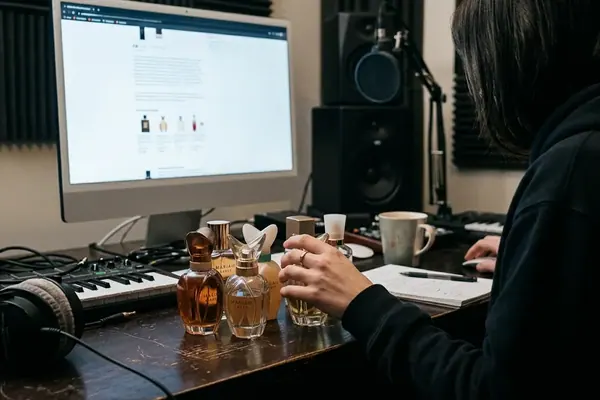
The comparative tasting described here put that distinction first. The three Black Irish expressions went into unmarked amber apothecary bottles and appeared alongside established Irish cream staples. Removing the butterfly detailing and familiar initials gave the liquid room to make its own impression.
For readers following Carey’s business ventures, Black Irish offers a particularly useful case: a recognizable personality attached to a familiar drinks category. Irish cream already has an established role in coffee, dessert cocktails, and after-dinner pours. A new arrival has to work within those expectations while giving someone a reason to choose its bottle.
The strongest buying distinction emerges within the lineup itself. Original Irish Cream keeps coffee and warm spice in view; White Chocolate and Salted Caramel push further toward dessert. That split makes the range easier to shop. The question becomes which flavor belongs in the drink someone actually wants to make.
The Whiskey, Cream, and Sugar Behind the Pour
Irish cream works through balance. Dairy supplies richness, sugar gives the liquid body, and whiskey brings warmth beneath both. When those elements sit comfortably together, a small pour feels rounded rather than tiring. When sweetness dominates, the next sip starts to feel like another spoonful of dessert.
Black Irish combines triple-distilled Irish whiskey with cream sourced from Irish farms. Its whiskey base spends time in charred oak before blending with the cream. Those foundations explain the intended shape of the drink: dairy at the front, sweetness through the middle, and a warmer spirit finish underneath.
Temperature changes how clearly those parts register.
The tasting sequence began at room temperature, before ice introduced dilution. That approach gives the cream’s weight and the alcohol’s integration nowhere to hide. A chilled glass can make a rich liqueur feel immediately tidy; an ambient pour makes it easier to notice whether the finish feels connected to the first sip or arrives as a separate flash of heat.
Why the Finish Matters More Than the First Sweet Sip
The first impression of cream liqueur is almost inevitably generous. The more revealing moment comes after swallowing. Coffee, spice, and oak can give that sweetness a direction, while lingering confectionery flavors keep attention on the dessert character.
Original supplies the clearest reference point in this lineup because roasted espresso and warm spice ground its whiskey base. The flavored expressions move the balance toward cocoa butter and browned sugar, which soften the impression of oak. That makes their appeal easy to understand, especially in coffee drinks, while giving Original the broader role for someone who wants the underlying Irish cream style to remain recognizable.
A useful home comparison follows the same sequence: taste a small amount before adding ice, then return to it after chilling. The change reveals whether a preferred serving temperature brings the flavors together or simply makes the sweetness less prominent.
Original, White Chocolate, and Salted Caramel Take Different Routes
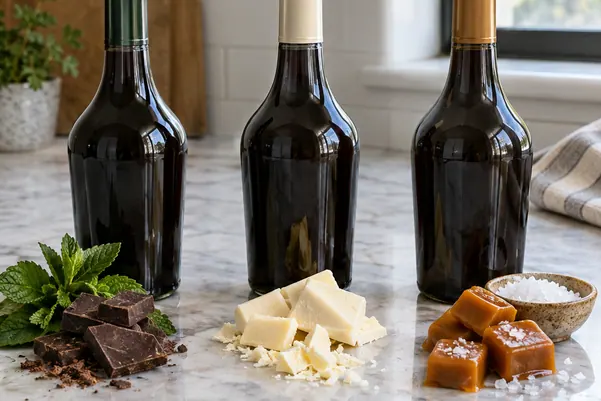
The three flavors deserve separate jobs. Treating them as interchangeable bottles overlooks the most useful distinction in the range: Original provides a coffee-and-spice foundation, while the other expressions supply a more explicit dessert flavor.
Original Irish Cream Keeps Coffee and Spice in Focus
Original is the sensible starting point for a drinker comparing Black Irish with a familiar Irish cream. Its roasted espresso and warm spice give the dairy sweetness something to settle around. Those notes also make it the most straightforward choice when the bottle needs to serve several purposes across an evening.
Consider the host setting out coffee after dinner. Some guests want a small pour over ice; another wants a splash in a cup. Original fits both requests without introducing a separate caramel or white chocolate theme. That flexibility gives it the strongest claim on limited refrigerator space.
Its benchmark remains the classic cream-liqueur experience: a rounded dairy impression, recognizable warmth, and enough flavor beyond sugar to keep the finish interesting.
White Chocolate Builds Around Cocoa Butter
White Chocolate heads toward a softer, confectionery profile. Cocoa butter richness becomes the organizing flavor, making coffee a useful partner. Espresso brings a roasted edge that can keep a white chocolate drink from feeling like an uninterrupted stretch of sweetness.
The challenge lies in building around that richness. A cocktail that already contains sweet coffee liqueur and syrup can become crowded once White Chocolate enters the shaker. Start with the liqueur and coffee, taste the combination, and make any further sweetening a deliberate choice.
For someone who regularly orders a white chocolate coffee drink, this expression has a clear purpose. It is a more specialized purchase than Original, with an equally clear place in a dessert-focused cocktail.
Salted Caramel Brings Browned Sugar Forward
Salted Caramel leans into browned-sugar character, moving attention away from the whiskey’s oak finish. Its most useful pairing is a drink with a firm coffee backbone, where caramel can read as a distinct flavor rather than simply more sweetness.
The salt deserves attention during a neat taste. It should help define the caramel’s edges; it should not encourage an assumption that the drink will taste dry. Caramel remains the central promise on the label.
Comparing these expressions also calls for patience. The tasting used unsalted water crackers and pauses between samples, giving each flavor some room after the previous pour. At home, small separate servings are more revealing than moving rapidly through three sweet glasses. Original makes a useful reference before the richer flavors take over.
Butterfly Details Meet the Everyday Work of Pouring
The Black Irish bottles have obvious display appeal. Opaque finishes, substantial glass, and metallic butterfly detailing turn a familiar cream-liqueur purchase into an object with a strong connection to Carey’s visual identity. For collectors following her business ventures alongside the discography & charts, that connection is part of the attraction.
At the bar, the same design choices have practical consequences.
Opaque glass shields the contents from light, a useful feature for a dairy-based liqueur. It also makes the remaining liquid harder to judge at a glance. A host preparing several coffee cocktails benefits from checking the bottle before guests arrive rather than discovering its level halfway through a round.
The substantial bottle and decorative stopper deserve similar scrutiny. They contribute to the sense of occasion, but a full bottle demands a secure grip. The ergonomic assessment used measured jigger pours from both full and partly emptied bottles, an appropriate test for a product that changes in balance as it empties.
For everyday serving, control matters more than speed. Keep the jigger close to the neck, ease into the pour, and wipe the lip before replacing the stopper. Thick cream liqueur rewards that small amount of care. A handsome bottle stays considerably more appealing when its neck remains clean.
The packaging earns its place as presentation; the flavor choice determines how often it comes off the shelf. A collector may enjoy owning the trio. A regular coffee drinker has a stronger reason to begin with the expression that matches an existing habit.
Match the Bottle to Coffee, Ice, and the Evening Ahead
Black Irish makes the most sense when the serving occasion comes first. Original suits a mixed group with different preferences. White Chocolate has a focused role in coffee cocktails. Salted Caramel fits a slower after-dinner pour, especially when dark coffee provides contrast.
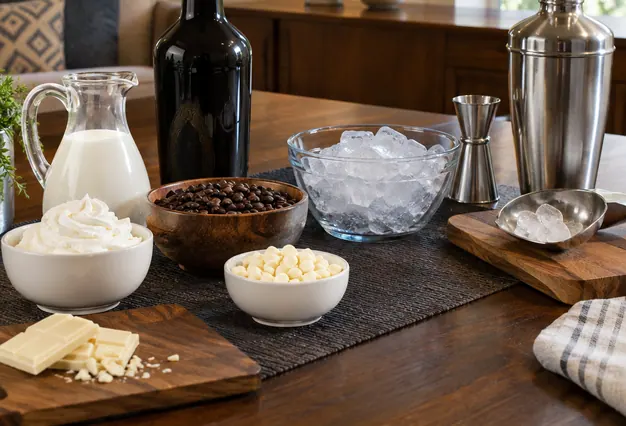
Each serving format brings out a different part of the drink:
- Neat at room temperature: Useful for getting acquainted with the sweetness, texture, and whiskey warmth before changing the balance.
- Over a large ice sphere: A relaxed sipping format that chills the liqueur while gradually loosening its texture.
- Stirred into hot espresso: A direct route to coffee bitterness alongside the cream. Add the liqueur to the prepared coffee and stir.
- Folded into winter cocoa: A dessert-led serving where White Chocolate or Salted Caramel can establish the flavor theme.
A White Chocolate espresso martini riff is another natural fit. Let espresso supply the roasted backbone, shake with ice in a cocktail shaker, and strain into a coupe. Taste before adding syrup. The liqueur already contributes sweetness and body, so the recipe should leave room for both.
Keep Citrus Separate
Acidic mixers such as citrus juice can curdle dairy-based liqueurs; keep these Black Irish serves in the coffee, cocoa, and cream-cocktail family.
The buying verdict follows the same practical logic. Choose Original for versatility, White Chocolate for a specific coffee-cocktail plan, and Salted Caramel for a caramel-led dessert pour. Fans can appreciate the butterfly on the neck while still asking the ordinary shopper’s question: what will this bottle make?
After dinner, you pull the chilled Salted Caramel from the refrigerator door. Two ounces fall over a cracking ice cube in a lowball glass. A little dark cold brew follows, and pale ribbons of cream turn slowly through the coffee.