What's Inside
- When the Timeline Sings a Note Nobody Recorded
- How Synthetic Audio Splits the Vocal Record
- Four Layers Between a Rumor and the Archive
- Open the Origin Link Before You Pass It On
When the Timeline Sings a Note Nobody Recorded
Imagine scrolling through a timeline and hearing a flawless, previously unreleased whistle register note—only to discover it was generated by a machine.
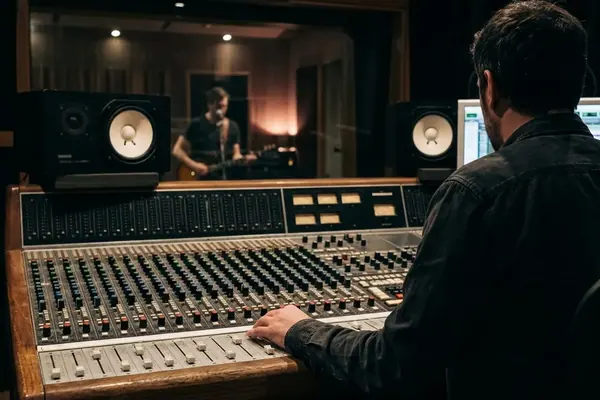
That scene now sits inside ordinary Mariah Carey fandom. The recording artist built a career on live vocals that fans treat as evidence: a residency flourish, a tour variation, a studio run that never made the album. Dedicated listeners archive those moments with the seriousness of a newsroom. The problem is that the newsroom now has to police ghosts.
Recent timeline monitoring found synthetic whistle register notes built to mimic unreleased studio sessions. They landed in the same feeds as genuine audience tapes. They used the same caption grammar. A clip that would once have sent collectors hunting for a DAT now requires a different first question: who recorded this, and with what?
Fan reporting is no longer just casual sharing, but a decentralized form of music journalism where dedicated update accounts act as the primary news syndicate for millions of listeners. Classifying every fan post as equal in impact fails that reality. A personal reaction to The Emancipation of Mimi lives in a different lane from an update account blasting a new session leak to a mass audience.
Reach of that size carries editorial weight. The people running those accounts function as the copy desk for a legendary vocal archive. If they boost a machine-made whistle, it enters setlist debates, boxscore weekend recaps, and the oral history of a tour.
Protecting that archive is the job now.
Impossible Whistle
A perfect unreleased whistle with no session date, no engineer, and no matching audience tape deserves suspicion first. Pause the clip. Ask who held the microphone.
How Synthetic Audio Splits the Vocal Record
Upward of three forgeries keep showing up. Synthetic audio mimics signature melismas, the runs fans use to date a vocal like a fingerprint. Fabricated tour routing posters invent cities, arenas, and support bills. Fake label press releases borrow rollout language and get screenshotted until the original URL disappears.
Spectrogram analysis of suspected fabricated tour routing posters and fake label press releases clustered in a multi-week window following major catalog anniversaries. Anniversary heat is the distribution strategy. A commemorative week lowers the guard. A poster that would look thin in February looks plausible in a nostalgia spike.
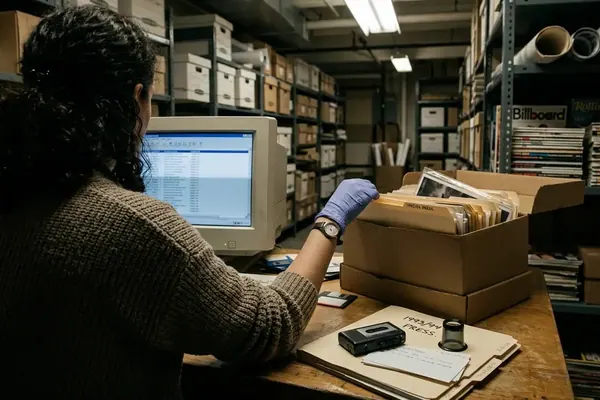
Pop culture historians feel that fracture directly. Accurate timelines of vocal performances and studio sessions are the spine of this catalog's history. A fake routing sheet can place Mariah Carey in a market she never played. A synthetic melisma can be cited as proof of a key change that never left the booth. Archivists then spend years untangling files that should never have been filed.
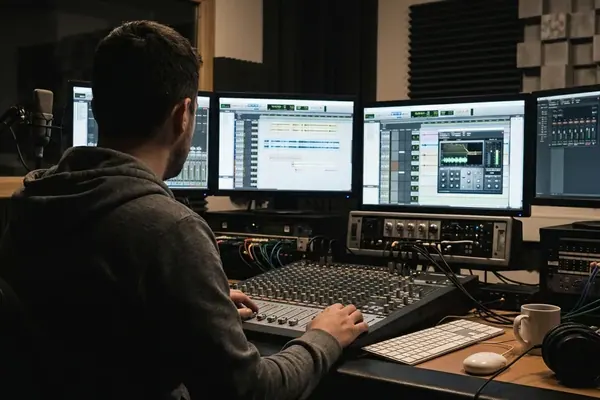
Software is a weak backstop. Some tools flag synthetic frequencies. They frequently fail to catch the nuanced synthetic frequencies of signature melismas. The synthetic melisma spectrogram detection threshold still belongs to editors who know the live voice, the studio voice, and the difference between a compressed audience recording and a model output. Human editorial judgment remains the most reliable defense against sophisticated deepfakes.
Trade Desk First
When a poster names venues, match it against a trade report or a verified channel before you redesign your itinerary graphics. Design polish is cheap. Routing is not.
Four Layers Between a Rumor and the Archive
Credibility for update accounts now depends on showing the work. A standardized, transparent sourcing system keeps rumor and record from sharing a headline. The four-tier vocal archive verification hierarchy was structured to separate direct management communications from informed speculation, so historians archiving historical release patterns and public copyright registrations can see the grade of each claim.
The limit matters. This four-tier framework applies strictly to accounts operating as news aggregators, rather than personal profiles dedicated solely to subjective album reviews. A ranking of ballads can stay a ranking of ballads. A page that behaves like a wire service accepts wire-service rules.
Layer One: The Official Desk
Tier 1 is official. Direct communications from the artist's management, verified social channels, or official press syndicates. If the statement did not come through those doors, it does not live on this shelf.
Layer Two: The Trade Record
Tier 2 is credible reporting. Information published by established music industry trades with a track record of factual reporting. Trades can err. They still leave a public correction trail that a random graphic does not.
Layer Three: The Registration Check
Tier 3 is the paper trail. Cross-referencing historical release patterns with public copyright databases to validate Tier 3 claims before publication, on a multi-day verification cycle. A title that never appears in registrations, and never appeared in prior rollout patterns, stays off the breaking banner.
Layer Four: Labeled Speculation
Tier 4 is informed speculation, marked in the post. Wishful routing, perfume-era trivia around M by Mariah Carey, a hoped-for setlist add: all of it can exist in fandom. It cannot wear the same typeface as a management note.
Original media needs a trail as well. Pair clips with content provenance standards instead of a cropped screenshot. Provenance will not settle every argument. It gives the next archivist a chance.
No Link, No Share
If the post cannot show a primary source, the archive does not owe it amplification. Silence is an editorial act.
Open the Origin Link Before You Pass It On
The everyday reader is the last filter that still works at scale.
Trace every sensational audio clip or tour announcement back to its origin link before you hit retweet or share. Open the link. Check the account. Confirm the date. Verify that the audio file and the caption belong to each other.
If a piece of media lacks a verifiable primary source link, treat it as fabricated and withhold engagement. Withhold likes, quote posts, and duet stitches through the critical initial period after a sensational audio clip surfaces, until a primary source link is visually confirmed in the original post. That pause is how a rumor dies in the feed instead of graduating into the vocal record.
Open the origin link on the next clip that stops your thumb. If you cannot find it, close the share sheet.